In an Indonesian market you will usually find three kinds of ginger side by side, and the sellers will tell you each one is for something different. Ask for “ginger” in an export inquiry, though, and nobody knows which one you mean. So let us start there.
Three gingers
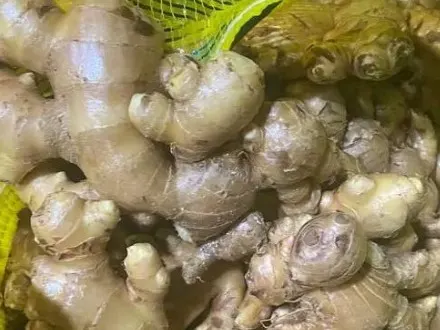
Jahe gajah, elephant ginger, is the big one. The rhizomes are thick and fleshy, the bite is milder and there is less fibre. It is also called jahe badak.
Jahe emprit is small and slender, hotter and more aromatic. Indonesians reach for it for herbal remedies, and it gives a good yield of essential oil.
Jahe merah, red ginger, has reddish skin and the strongest heat of the three. It is the favourite in jamu, the traditional herbal drinks.
For export, elephant ginger is usually the one people want. Big, meaty rhizomes give more flesh per kilo, and they are easy to wash, peel and slice. That suits fresh ginger importers, food processors and drink makers.
Buying fresh ginger
Fresh ginger is alive, and it behaves like it. What matters is how it looks when it arrives and how long it keeps after that.
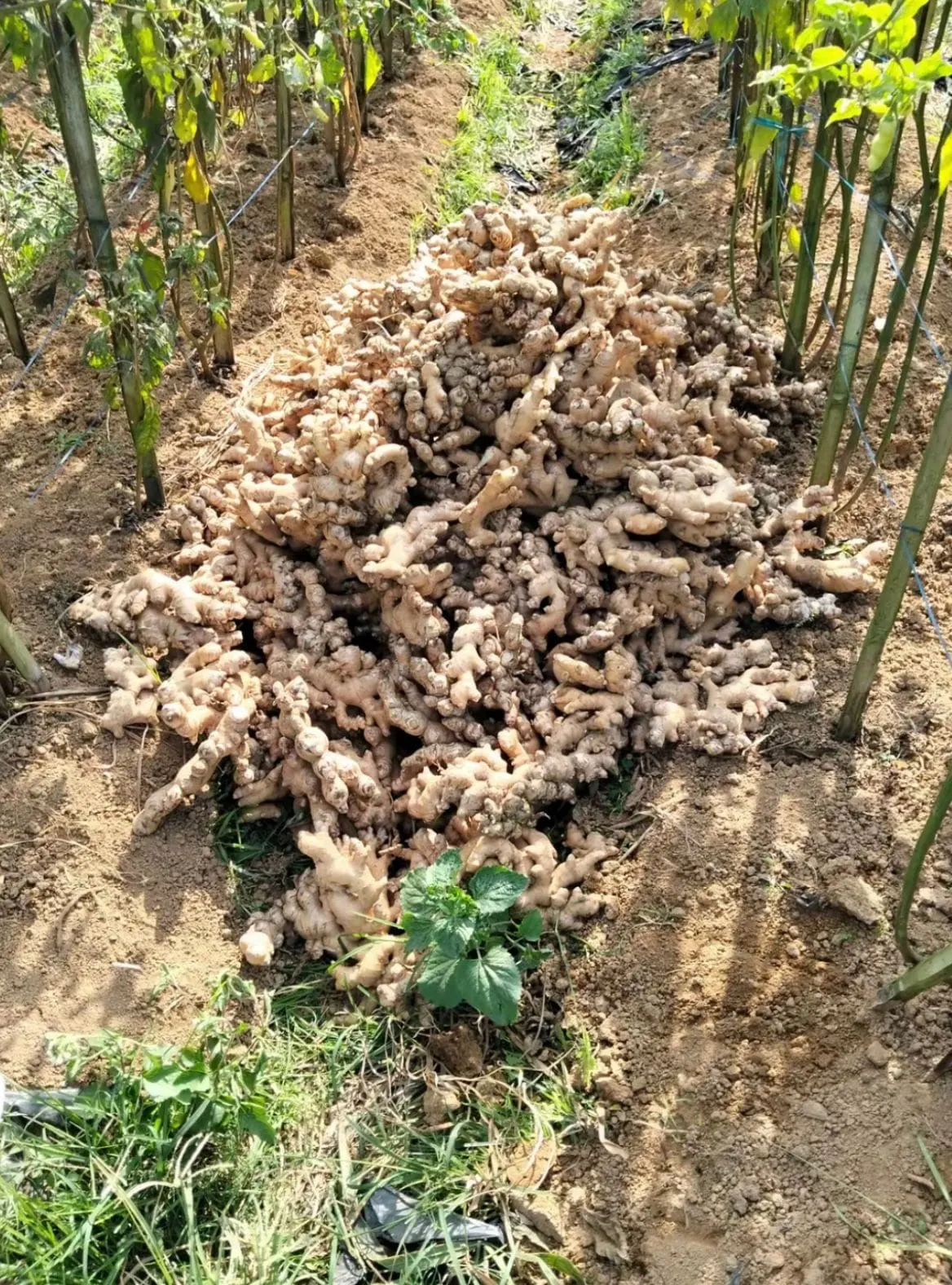
Mature rhizomes, harvested at around eight to ten months, travel and store far better than young ginger. After harvest they are washed or brushed clean, then left to air dry so the skin can firm up before packing. Pieces are sorted by weight, and anything damaged, sprouting or mouldy is taken out. The ginger goes into mesh bags or ventilated cartons.
Fresh ginger usually crosses the sea in ventilated or temperature controlled containers. Every shipment also needs a phytosanitary certificate from Indonesia’s plant quarantine authority, which we arrange as part of the export documents.
Buying dried ginger
Dried ginger is calmer to deal with. It stores well, it ships in an ordinary container, and it is the starting point for ginger powder, tea, herbal extract and oleoresin.
The rhizomes are sliced, peeled or unpeeled, and dried in the sun or in a dryer. Moisture is usually kept to 12% or less. For grinders and extractors, starch, essential oil and ash also matter. To the eye, you want an even, light colour with no dark or mouldy slices. Our working numbers are on the elephant ginger specification.
Which should you choose?
If you sell ginger as produce, or use it for juicing or fresh cooking, you need fresh rhizomes. If you are grinding it, making tea or extract, or want something that keeps for months, dried slices make more sense, and they carry less freight risk too.
When you write to us
Tell us whether you want fresh or dried. For fresh, the size or weight grading you need. For dried, whether the slices should be peeled. Add the destination port, your packing preference, the volume and when you would like it shipped.
We supply elephant ginger as fresh rhizomes or dried slices, FOB Surabaya. Send us your requirements and we will come back to you.