A sample is the only part of an order you can hold in your hands before you pay for it. It deserves more than a quick sniff and a nod. You do not need a laboratory for most of what follows, just a table, good light, a kitchen scale and about half an hour.
First, make sure it is the right sample
Before you judge anything, check the label. Which product, which grade, which lot? A sample is only useful if it comes from the lot that will actually ship, or is a fair picture of it. A beautiful, hand picked handful that has nothing to do with the real lot tells you nothing. It is fair to ask a supplier how the sample was taken.
Look at it
Pour the sample onto a white sheet of paper in daylight or under a bright lamp.
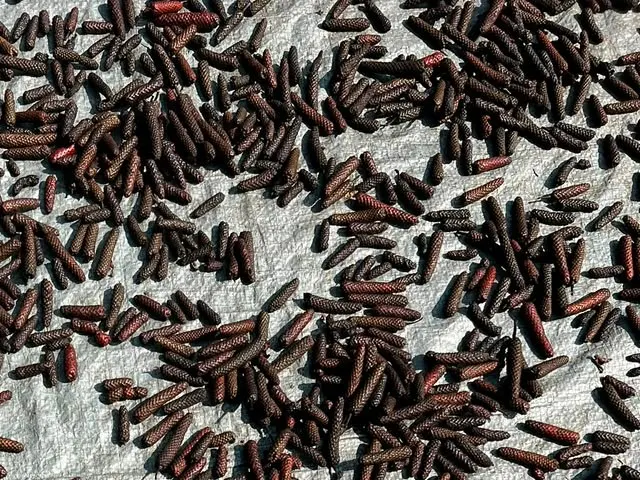
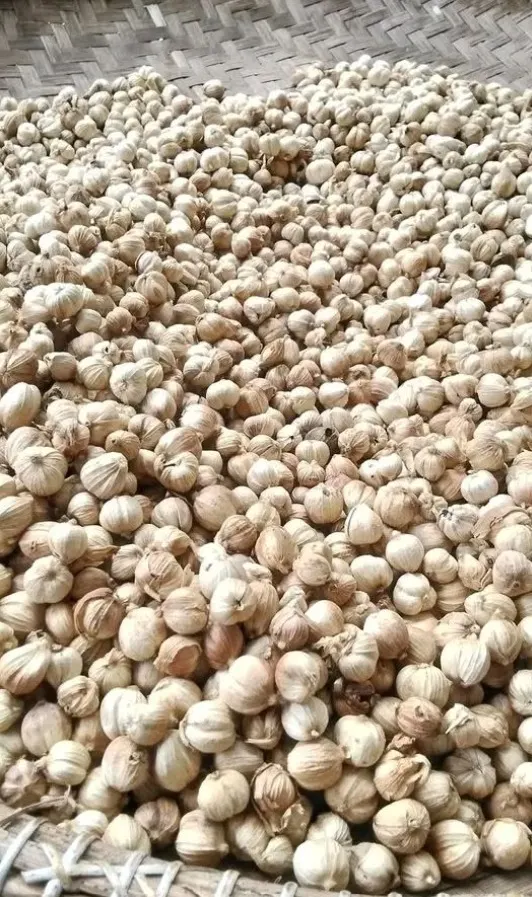
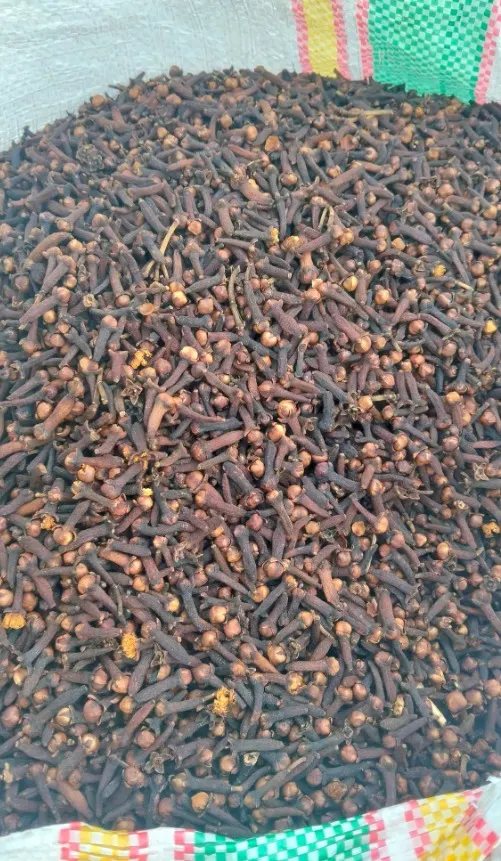
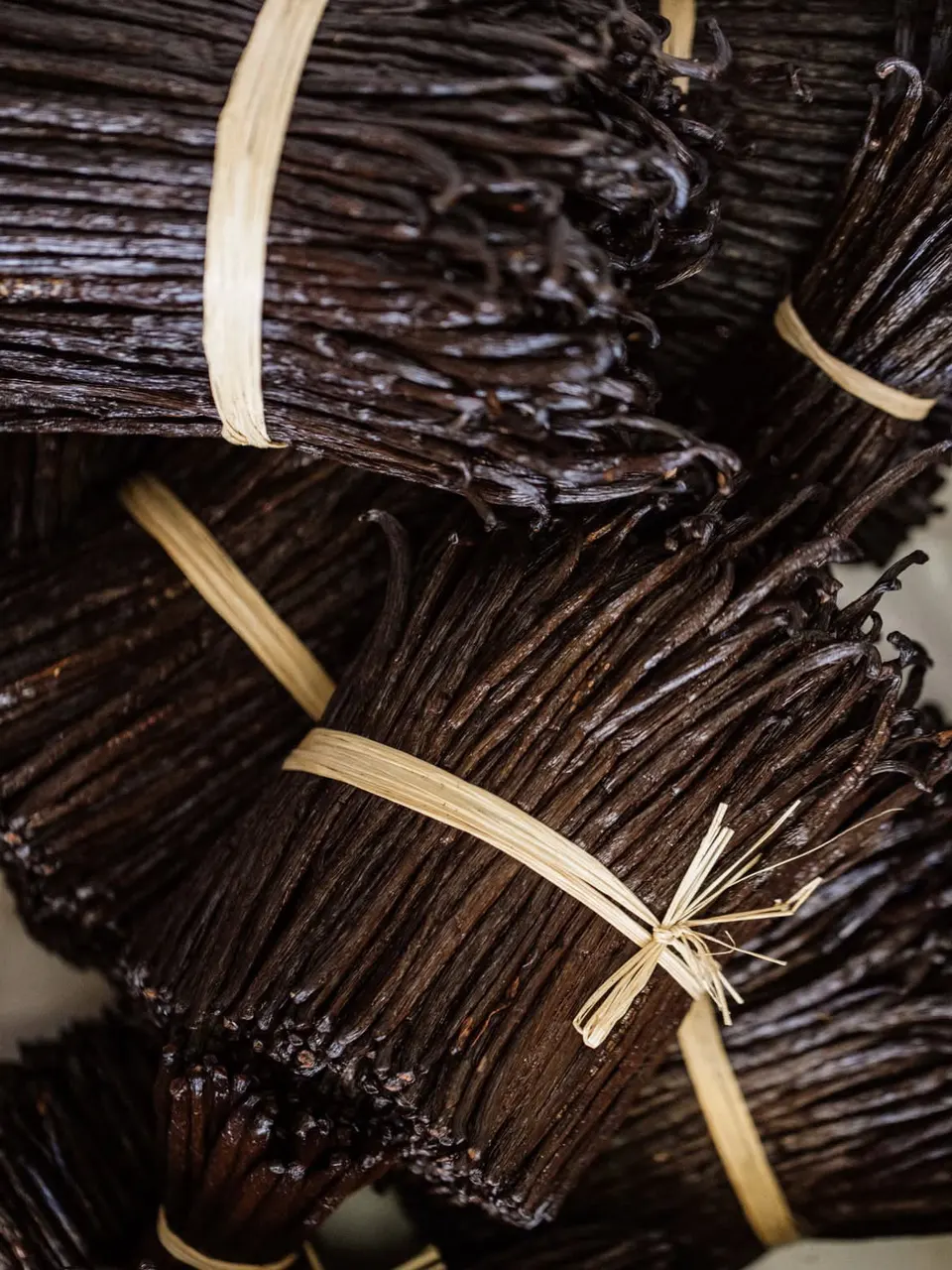
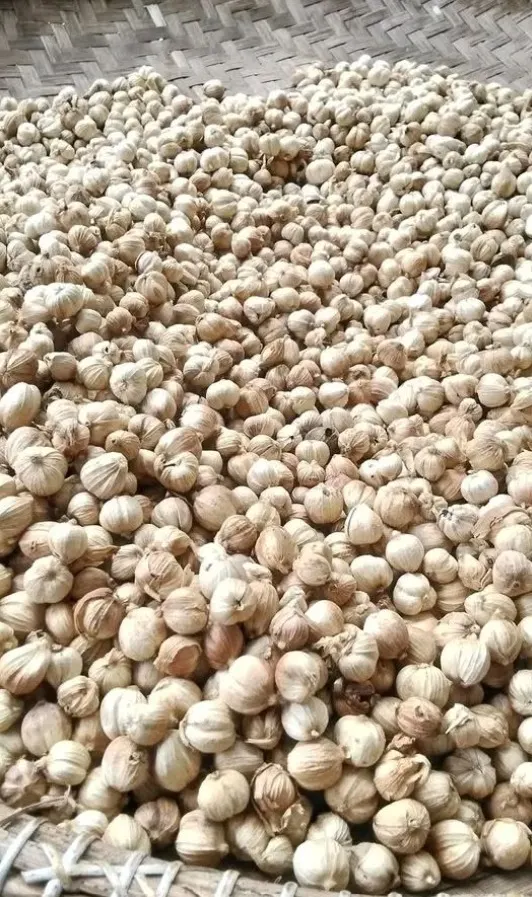
- Colour. Is it even? Cloves should be an even dark brown, mace orange to orange-red, cardamom creamy white or natural, vanilla dark brown to black. Patches of pale, faded or blackened pieces suggest poor drying or old stock.
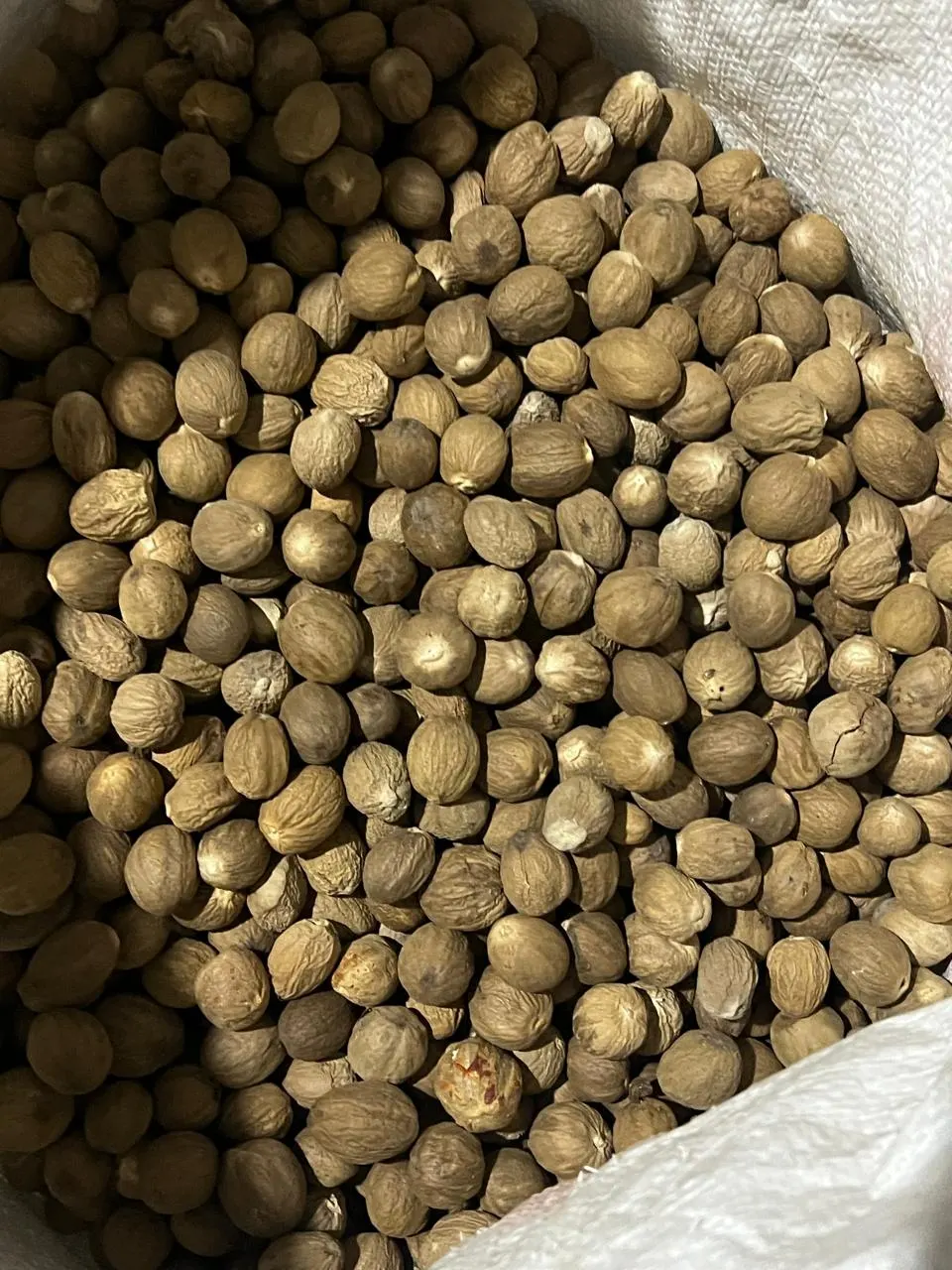
- Size and shape. Does it match what was promised? Count per kilo for nutmeg, length for vanilla and cinnamon sticks, whole versus broken.
- Damage. Look for insect holes, dust, webbing and broken pieces.
- Mould. Any white, grey or green fuzz is a clear warning, whatever else the sample looks like.
Smell it
Aroma tells you a lot about freshness and essential oil. Crush a few pieces between your fingers. Cloves should smell sharp and warm, cardamom cool and sweet, nutmeg rich. A flat, weak smell can mean old stock or low oil. A musty, damp or sour smell is a bad sign, because it often means moisture problems somewhere along the way.
Feel it: snap and break tests
Well dried spices behave in a certain way when you break them.
- Cloves should snap cleanly. If they bend, they are damp.
- Java long pepper spikes should be hard and break crisply.
- Cinnamon sticks should crack, not bend.
- Vanilla is the exception. Good Grade A beans should be supple enough to wrap around a finger without cracking.
- Nutmeg should feel heavy for its size. Cut one in half and the inside should be firm and marbled, not powdery or hollow.
A simple moisture check
Moisture is the most important number for most dried spices, and the easiest one to cheat on. If you have a grain moisture meter with a spice setting, use it. If not, you can get a rough idea at home:
- Weigh about 50 g of the sample accurately.
- Dry it in an oven at a low, steady heat for several hours.
- Weigh it again. The weight lost, divided by the starting weight, gives an approximate moisture figure.
This is not a lab method, and the heat drives off some essential oil too, so treat the result as a rough guide. If it comes out far above the agreed figure, that is a question worth asking.
Count the foreign matter
Weigh out 100 g. Pick out anything that is not the spice you paid for: stems, stones, dust, husks, other plant parts. Weigh what you removed. That weight in grams is roughly your foreign matter percentage. Many of our specifications allow up to 1%, so a 100 g sample should give you about a gram of rubbish at most.
When to send it to a lab
Your own eyes and nose are good at spotting problems. They cannot measure the things that make shipments fail at the border. Send the sample to an accredited lab when you need:
- Aflatoxin or other mycotoxin results (essential for nutmeg, mace, ginger and long pepper, see our aflatoxin guide)
- Pesticide residues
- Microbiology, such as salmonella
- Exact figures for essential oil, piperine or vanillin
Keep a sealed reference sample
Once you approve a sample, split it. Keep part of it sealed, labelled and stored somewhere cool and dry. If a shipment ever arrives looking different, that reference is what both sides can compare against. It protects you, and honestly, it protects us as well.
Tell us what you found
Good feedback on a sample is useful even when the answer is no. If the colour, size or moisture was not quite right, tell us. It often means we can match your needs better on the next lot.
You can request samples of any of our products on our sample request page.