If you have bought a jar of ground cinnamon in a supermarket, there is a fair chance it came from Indonesia. Most of the world’s everyday cinnamon is not the Ceylon cinnamon of cookbooks but cassia, and Indonesian cassia is one of the most common kinds. In the trade it is often called korintje, after the Kerinci highlands of Sumatra where much of it grows.
Same name, different bark
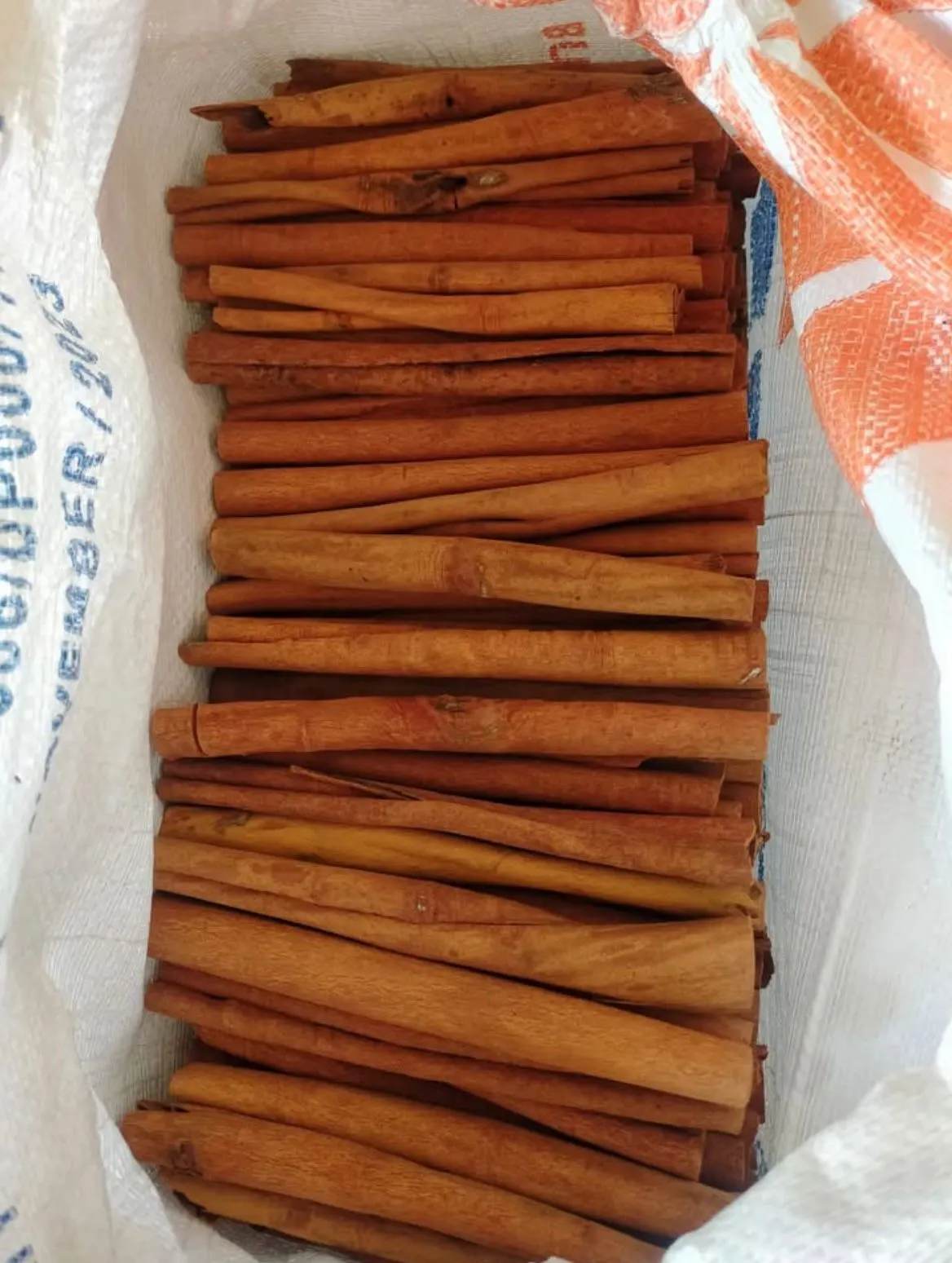
Indonesian cinnamon is the bark of Cinnamomum burmannii. Ceylon cinnamon, the “true” cinnamon from Sri Lanka, comes from Cinnamomum verum. Hold one stick of each and you can tell them apart straight away.
| Indonesian cinnamon (cassia) | Ceylon cinnamon | |
|---|---|---|
| Botanical name | Cinnamomum burmannii | Cinnamomum verum |
| Grown mainly in | Indonesia (Sumatra, Java) | Sri Lanka |
| The stick | One thick, hard layer of bark | Many thin, papery layers rolled together |
| Colour | Reddish brown | Light tan |
| Flavour | Strong, warm, sweet and spicy | Mild, delicate, a little citrusy |
| Coumarin | Higher | Very low |
| Price | Lower | Higher |
Which one tastes like “cinnamon”?
For a lot of people, especially in North America, Indonesian cassia is the taste of cinnamon: bold, sweet and warm. It stands up to baking heat and strong flavours, which is why it ends up in cinnamon rolls, breakfast cereals, drinks, sauces, meat rubs and spice blends. Food manufacturers like it because it is consistent and affordable.
Ceylon is softer and more subtle. Some European and Latin American markets prefer it, and it has a following among specialty brands. Neither one is better. They are just different.
About coumarin
Cassia, including the Indonesian kind, naturally contains more coumarin than Ceylon cinnamon. Some markets, the EU for example, limit coumarin in certain finished foods. In practice the food maker handles this in the recipe. Still, if your market has specific rules, tell us early so the right tests can be done.
The forms you can buy
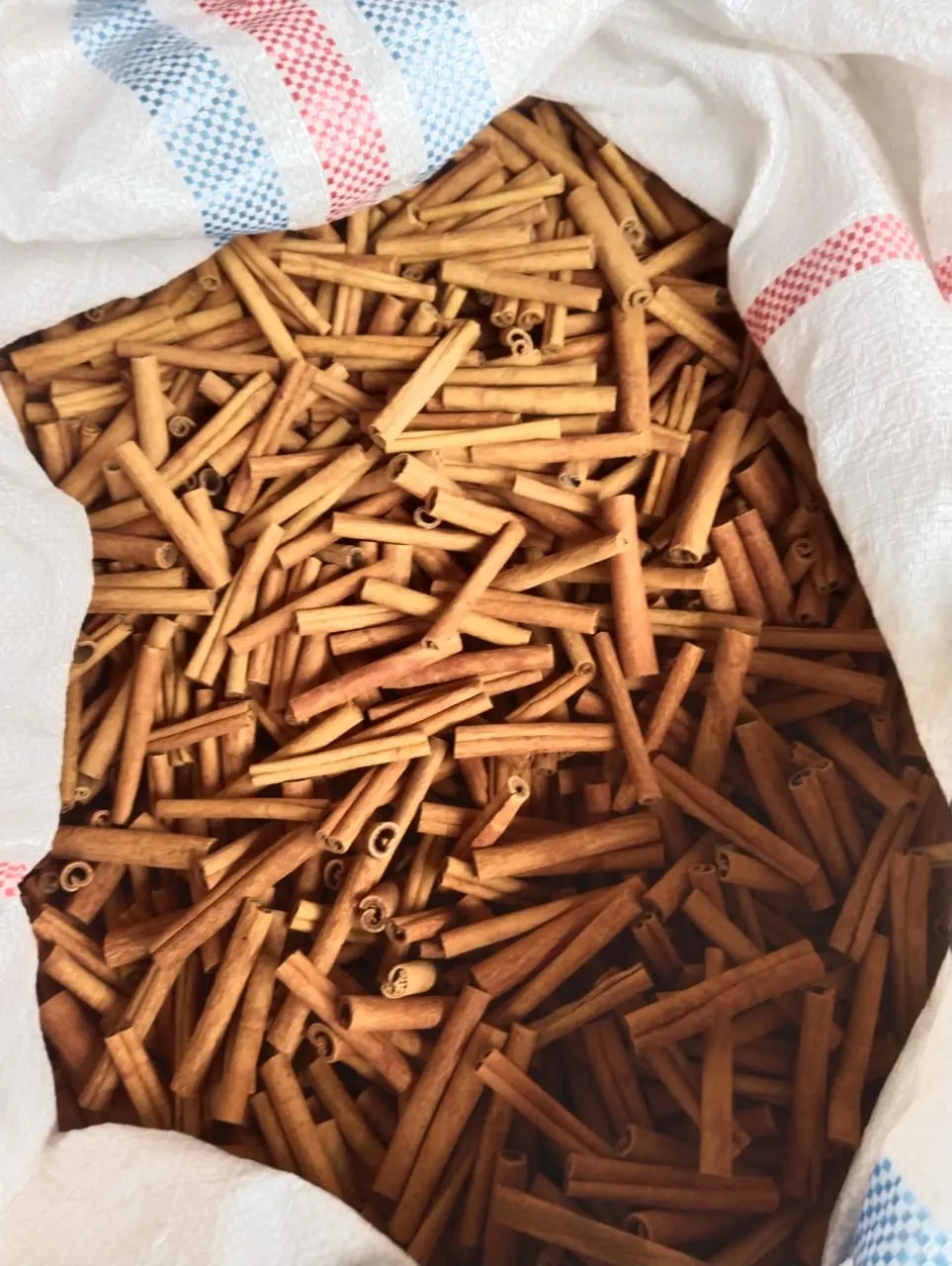
Sticks, or quills, are usually cut to an even length (6, 8 or 10 cm are common) for retail and food service. Cut and broken bark is cheaper and goes to grinders and extractors. Powder is ground to whatever mesh size you need.
You will see different grade names for Indonesian cinnamon from different exporters. Some describe the bark, some the oil content, some both. Our advice: do not rely on the name. Agree the form, the length or cut size, the colour, the moisture and the foreign matter in writing, and check them on a sample before shipment.
When you write to us
Let us know the form and size, the look you expect (a photo or reference sample helps a lot), any moisture, oil or coumarin requirement, and how much you need and where it is going.
We supply Indonesian cinnamon as sticks, broken pieces or powder, prepared to the specification we agree with you, FOB Surabaya. See the cinnamon page or send us a message.