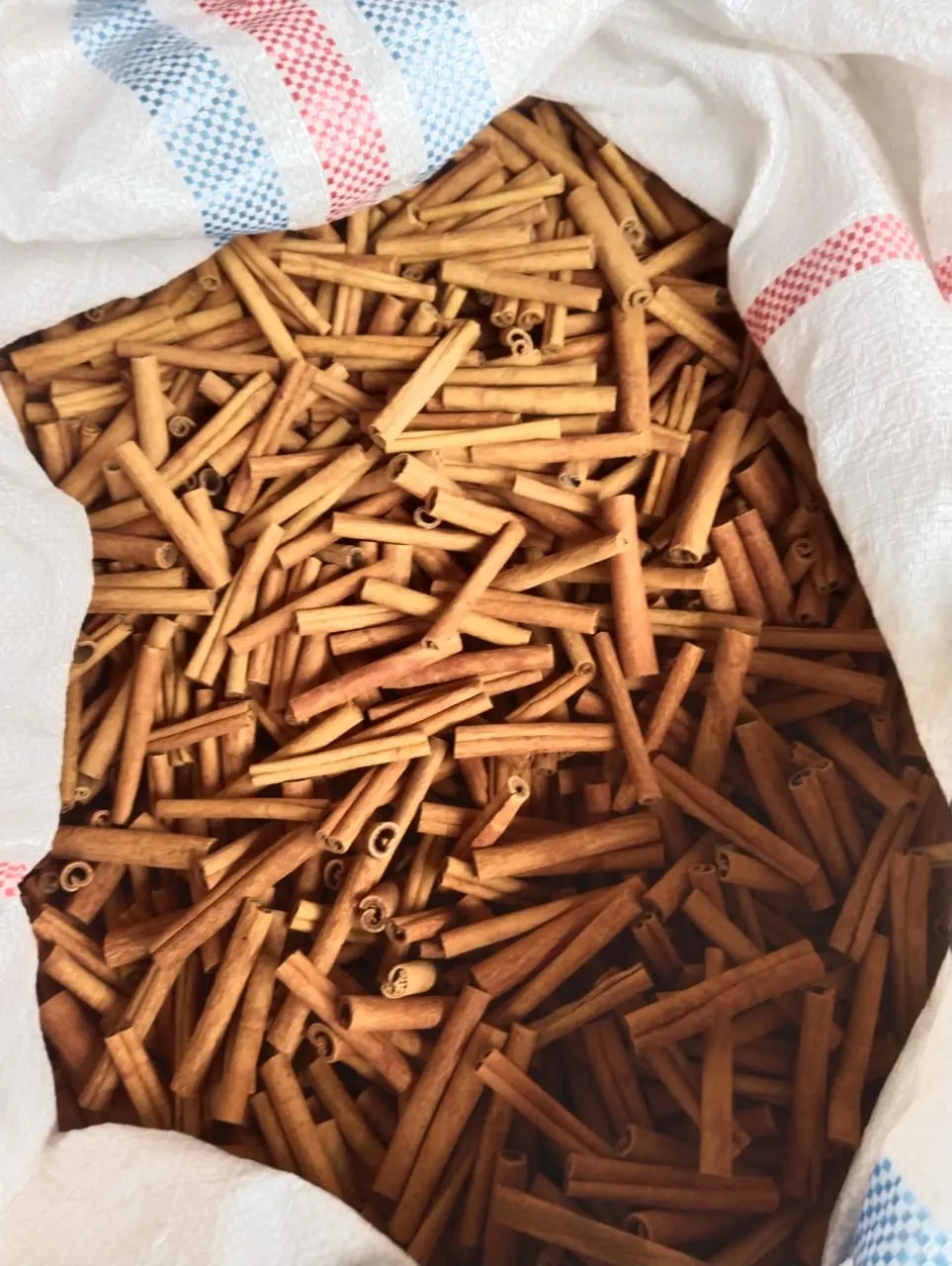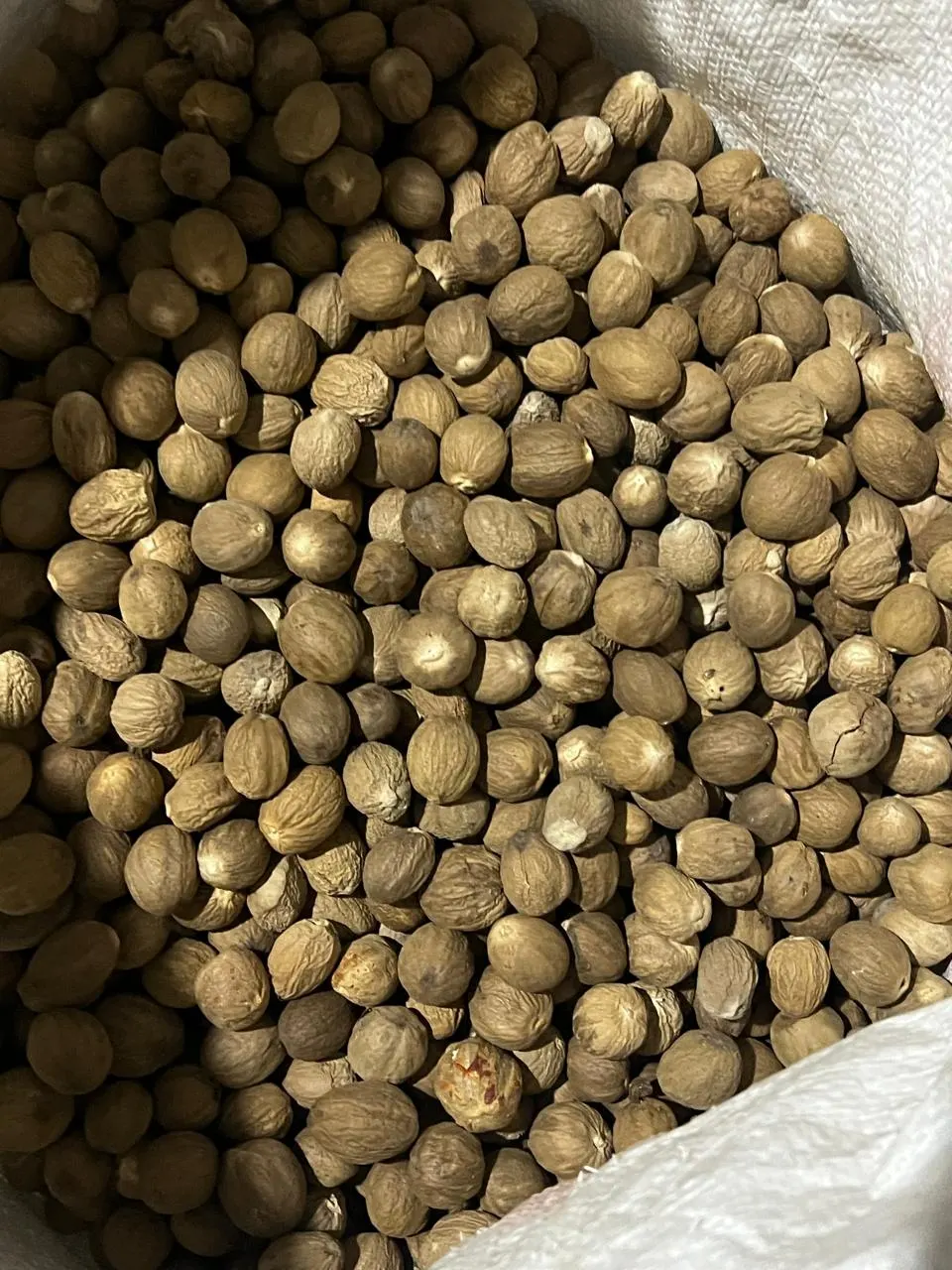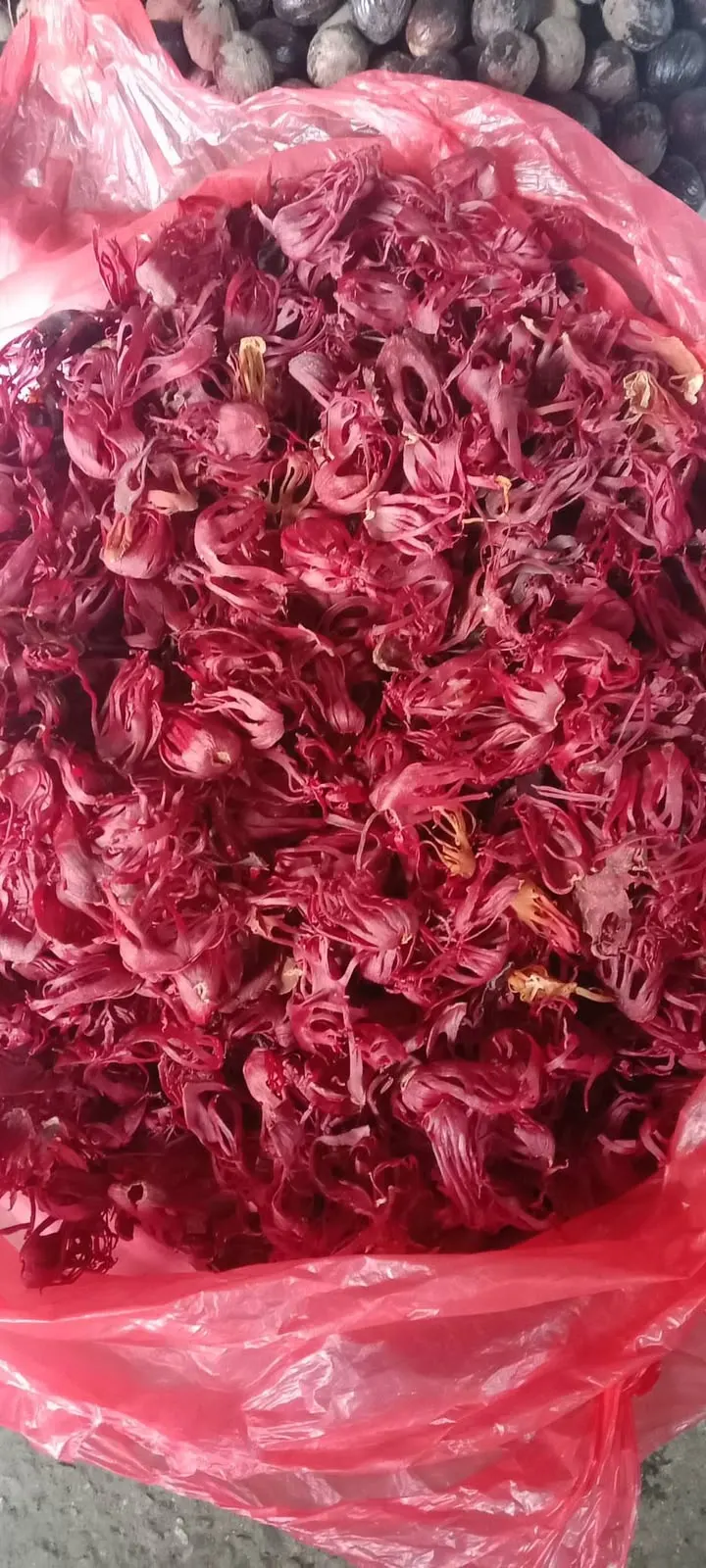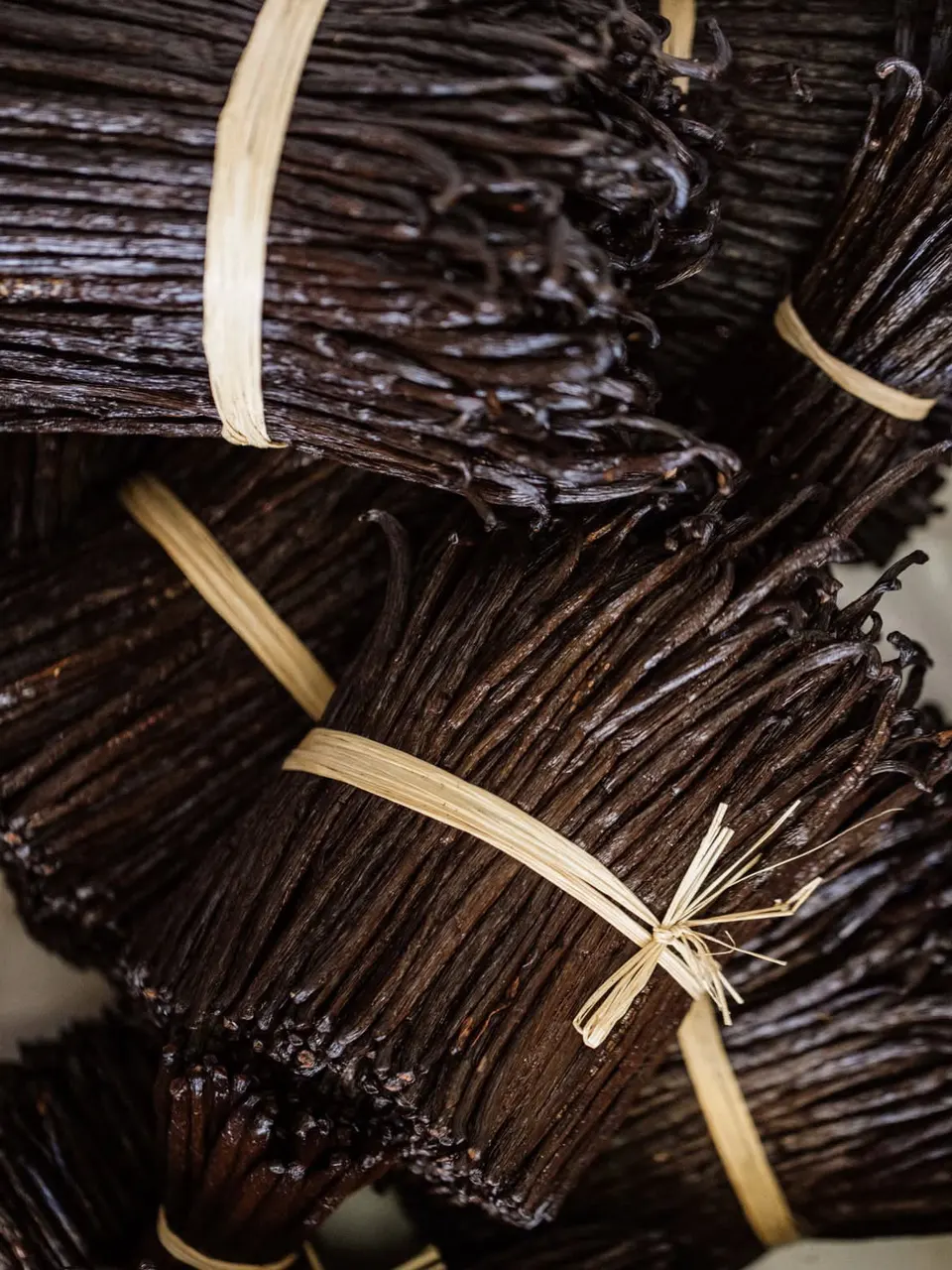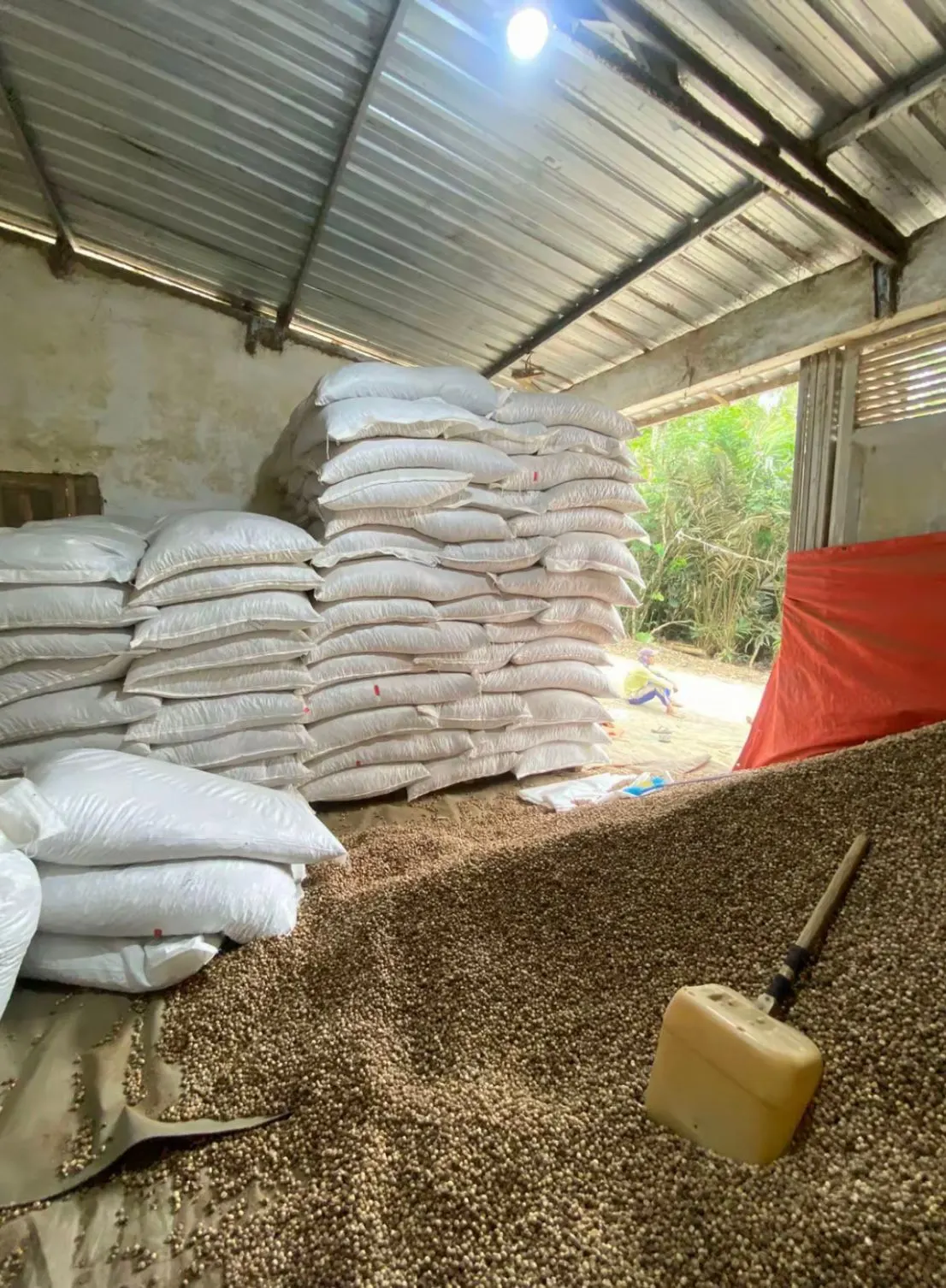
For buyers in our own region, importing from Indonesia is about as easy as international trade gets. The distances are short, the paperwork is familiar, and under the ASEAN trade agreement many goods move with little or no import duty. Here is how Indonesian spices fit each market, and what we would check before a first order.
Short distances, quick turnarounds
Surabaya’s Tanjung Perak port has regular container services to the main ports of the region, either direct or through hubs such as Singapore and Port Klang. Transit times are counted in days rather than weeks. That means smaller, more frequent orders can make sense, stock does not sit at sea for long, and fresh ginger has a much easier journey than it does to distant markets.
The ATIGA Form D
All the countries in this guide are members of ASEAN, as is Indonesia. Under the ASEAN Trade in Goods Agreement (ATIGA), goods that meet the rules of origin can enter at a reduced or zero duty when they come with a certificate of origin known as Form D (many ASEAN countries now also accept electronic versions through the ASEAN Single Window). Spices grown in Indonesia generally have a clear origin.
The exact rate for your product depends on the tariff line in your country’s schedule, so ask your customs broker to confirm it. If you need Form D, tell us at the inquiry stage so it is issued with the shipping documents.
Where our spices fit, country by country
Singapore. A trading and re-export hub rather than a big consumer. Traders here buy cloves, nutmeg, mace, cardamom and vanilla to repack and ship onward, so consistent grades and clear documents matter most. Our nutmeg grades guide and vanilla grades guide explain the grades traders usually ask for.
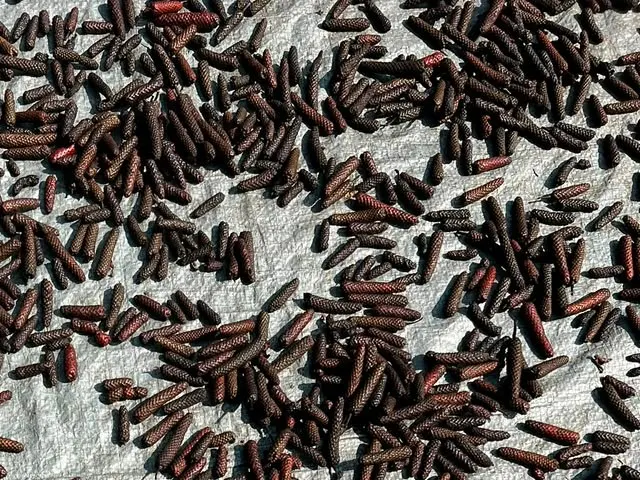
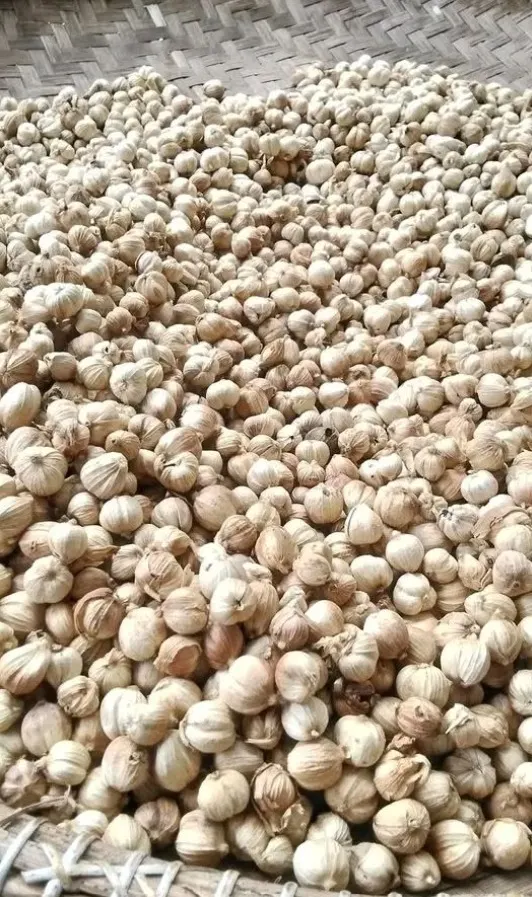
Malaysia. Cloves, cinnamon, Java cardamom and nutmeg are all part of Malaysian cooking, from rendang and curries to bubur and spiced drinks, and the herbal industry uses ginger and Java long pepper. Java cardamom is familiar here, so our cardamom guide will mostly confirm what you already know.
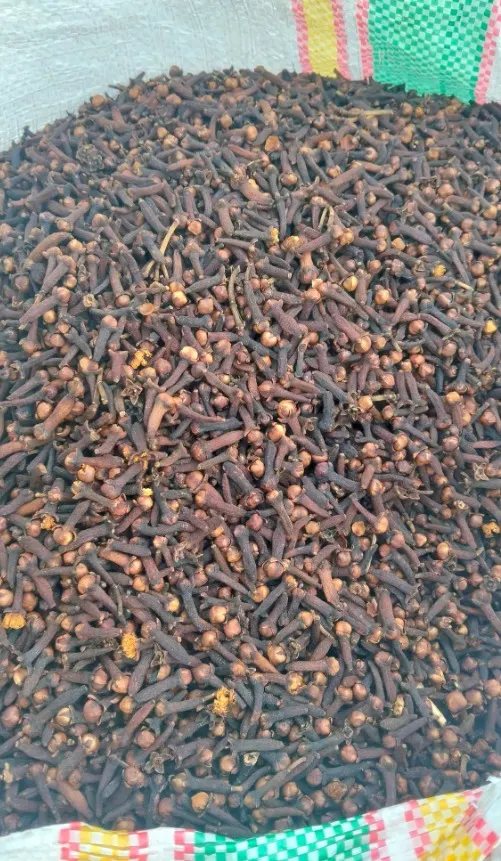
Vietnam. Vietnam is a major cinnamon grower itself, so we would not expect to sell cinnamon there. Its processors and traders do buy cloves, nutmeg and ginger, and some trade onward to China. Our clove guide covers the specification points.
Thailand. Thai food and herbal industries use cloves, cardamom, nutmeg and ginger, and some extract makers are interested in Java long pepper. Our long pepper guide explains what it is and how it differs from Indian long pepper.
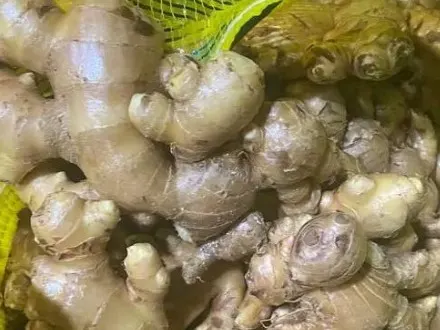
Philippines. Food manufacturers and seasoning makers buy cloves, cinnamon, ginger and nutmeg, often in smaller lots. Our ginger guide explains fresh versus dried.
Documents and food safety
The usual documents are a commercial invoice and packing list, bill of lading, Form D, phytosanitary certificate, fumigation certificate if required, and a Certificate of Analysis. Each country has its own food safety body and its own import permits, registrations, labelling rules and limits for contaminants and residues. Tell us early which documents your importer or authority requires and we will confirm what we can arrange. For limits and permits, please confirm the current rules with your customs broker.
Practical points for a first order
- Start with a sample, then a trial lot. Short transit makes a small first order realistic.
- Agree the specification in writing: moisture, foreign matter, grade and packing.
- Ask for Form D if you want the ASEAN duty preference.
- Book your freight. We sell FOB Surabaya; your forwarder books the vessel from Tanjung Perak. Our FOB vs CIF guide explains how responsibility is split.
We are a young company close to home, and we would like to grow with buyers in our own region. See our products, our wholesale page, or send us your requirements.