Istanbul’s Spice Bazaar was built on trade that once ran all the way to the Spice Islands of Indonesia, and Turkish cooking still carries that history: cinnamon in sütlaç and salep, cloves in aşure and kahve, nutmeg and mace in köfte and sucuk. Turkey grows many herbs and peppers of its own, but the warm tropical spices are imported. Here is where Indonesian spices fit, and what we would settle before a first order.
Where Indonesia fits
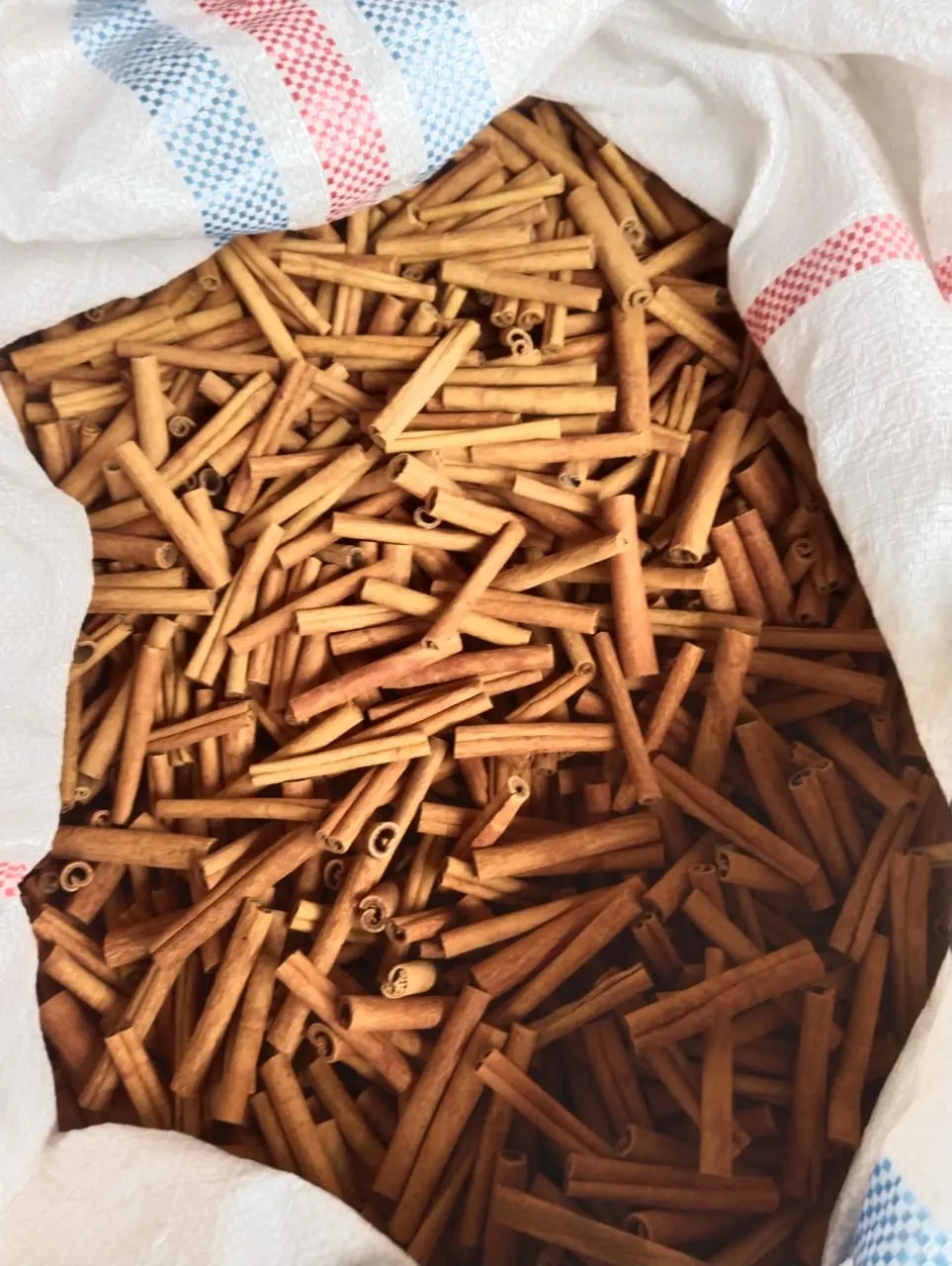
Cinnamon. Turkey is a large cinnamon market, from pastry shops and dessert makers to spice packers. Much of the cinnamon traded there is cassia, and Indonesian cassia (Cinnamomum burmannii) is one of the main kinds: sweet, strong and reddish brown. It suits ground cinnamon, baking and drinks. Our cinnamon guide compares it with Ceylon cinnamon.
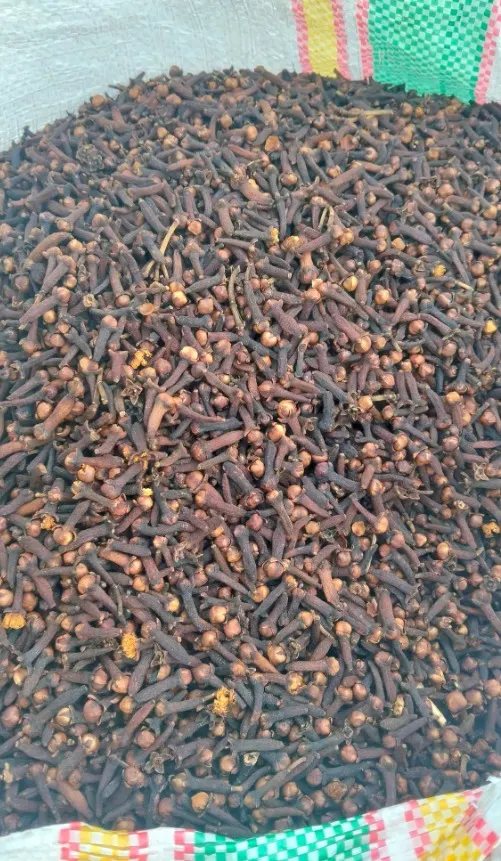
Cloves. Used in aşure, compotes, mulled drinks, meat dishes and Turkish coffee blends, and a staple for every spice wholesaler. Indonesia is the world’s largest clove grower. Our clove guide explains grades and what to put in the contract.
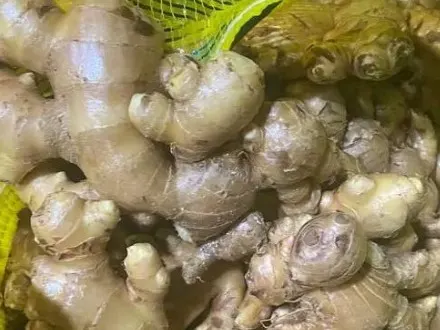
Ginger. Dried ginger goes into spice blends, winter drinks and salep, and is a common item on herbal shop shelves. We supply elephant ginger as dried slices or fresh rhizomes. Our ginger guide explains the difference.
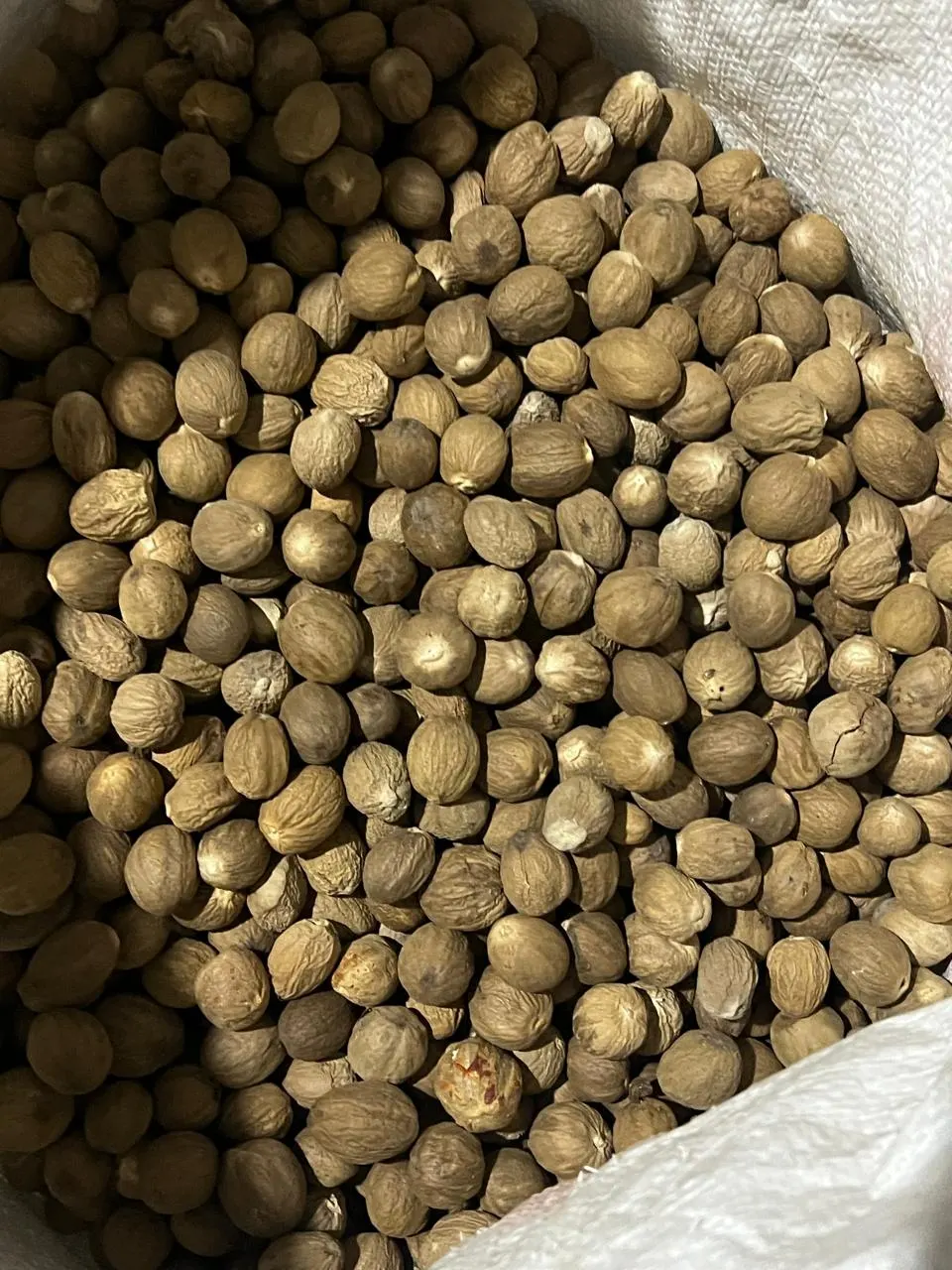
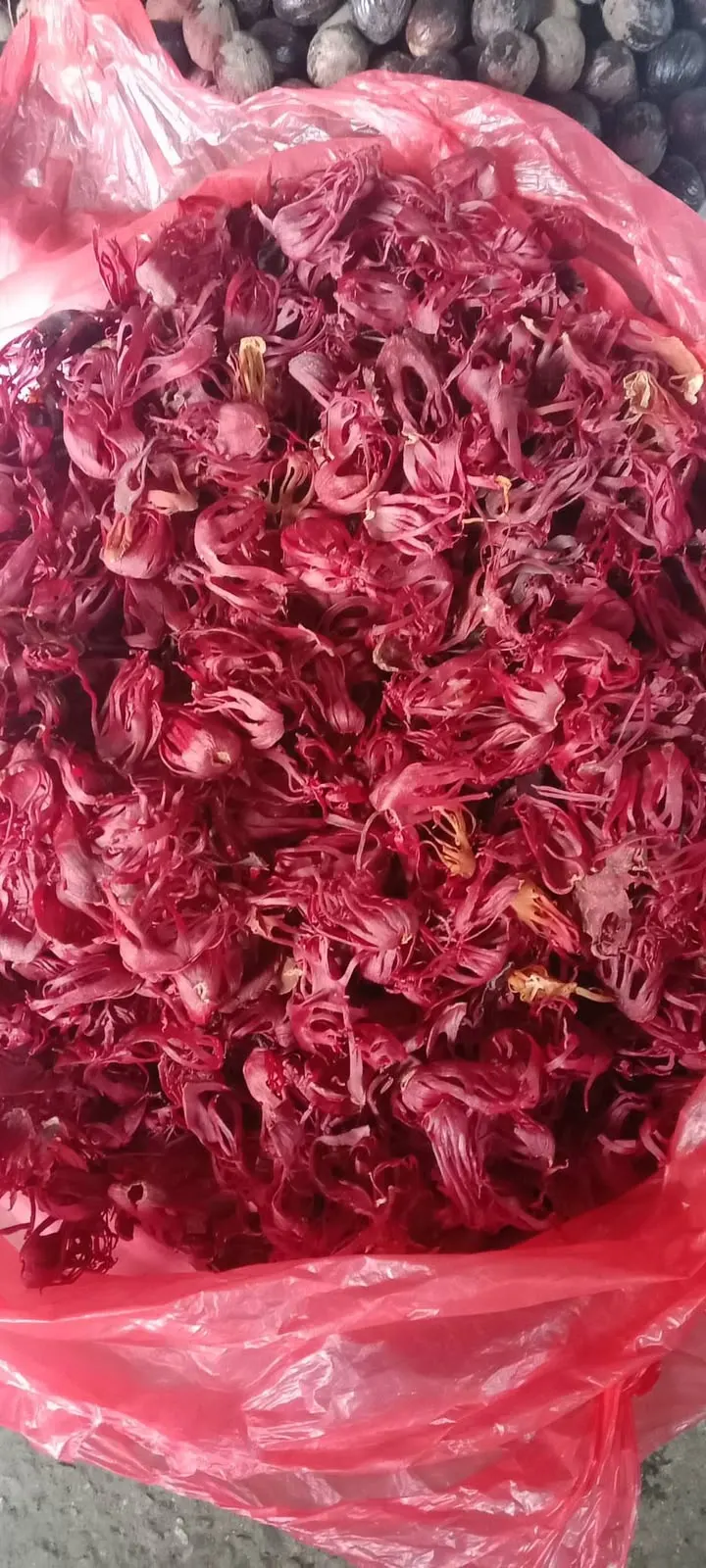
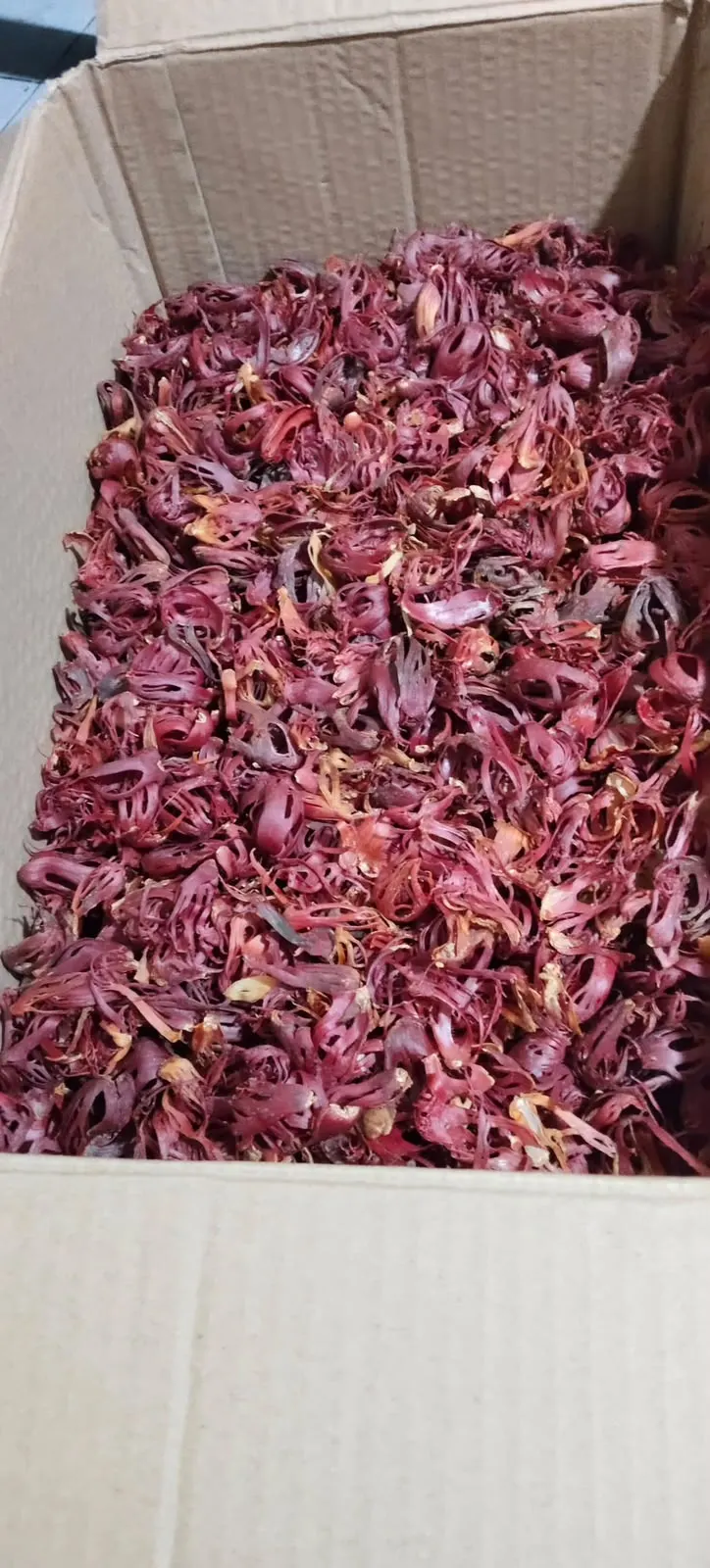
Nutmeg and mace. Meat processors use them in köfte, sucuk and sausages, and pastry makers in sweets. Mace in particular suits light coloured foods where dark flecks of nutmeg would show. Our nutmeg grades guide and mace guide explain how they are sold.
Documents and import rules
The documents usually asked for are a commercial invoice and packing list, bill of lading, certificate of origin, phytosanitary certificate, fumigation certificate and a Certificate of Analysis. Some importers ask for more. Tell us early which documents your importer or authority requires and we will confirm what we can arrange.
Turkey has its own food safety rules, including limits for moisture, aflatoxin, other contaminants and pesticide residues in spices, and imported spices can be sampled and tested at the border. Duty rates also depend on the tariff line and on any trade arrangements in force at the time. Rules and rates change, so please confirm the current position with your customs broker before the first shipment. Once you have the numbers, we will agree them in the contract and test the lot against them before it leaves Surabaya. Our aflatoxin guide explains why nutmeg, mace and ginger need particular care here.
Practical points for a first order
- Ask for a sample. Turkish buyers know their cinnamon and cloves well, so judge colour, aroma and grind for yourself.
- Agree the specification in writing: moisture, foreign matter, form and cut size, and for nutmeg the grade and count per kilo.
- Think about the season. Demand rises before Ramadan and in winter, when sweets and hot drinks sell most. Allow time for preparation, documents and the sea voyage.
- Book your freight. We sell FOB Surabaya. Your forwarder books the vessel from Tanjung Perak to Mersin, Istanbul (Ambarlı) or your port of choice. Our FOB vs CIF guide explains how responsibility is split.
Several of these spices can travel together in one container; our wholesale page explains how mixed orders work. We are a young company, and we would rather show you a good sample than make big promises. See our products or send us your requirements.