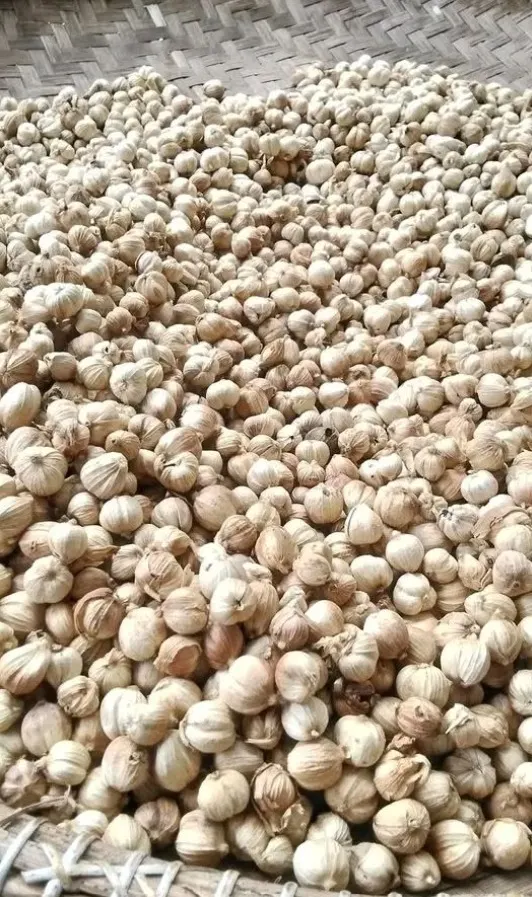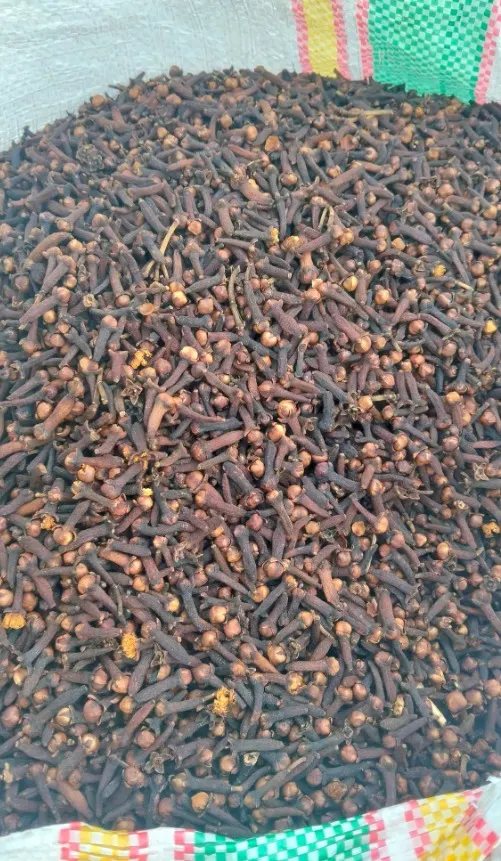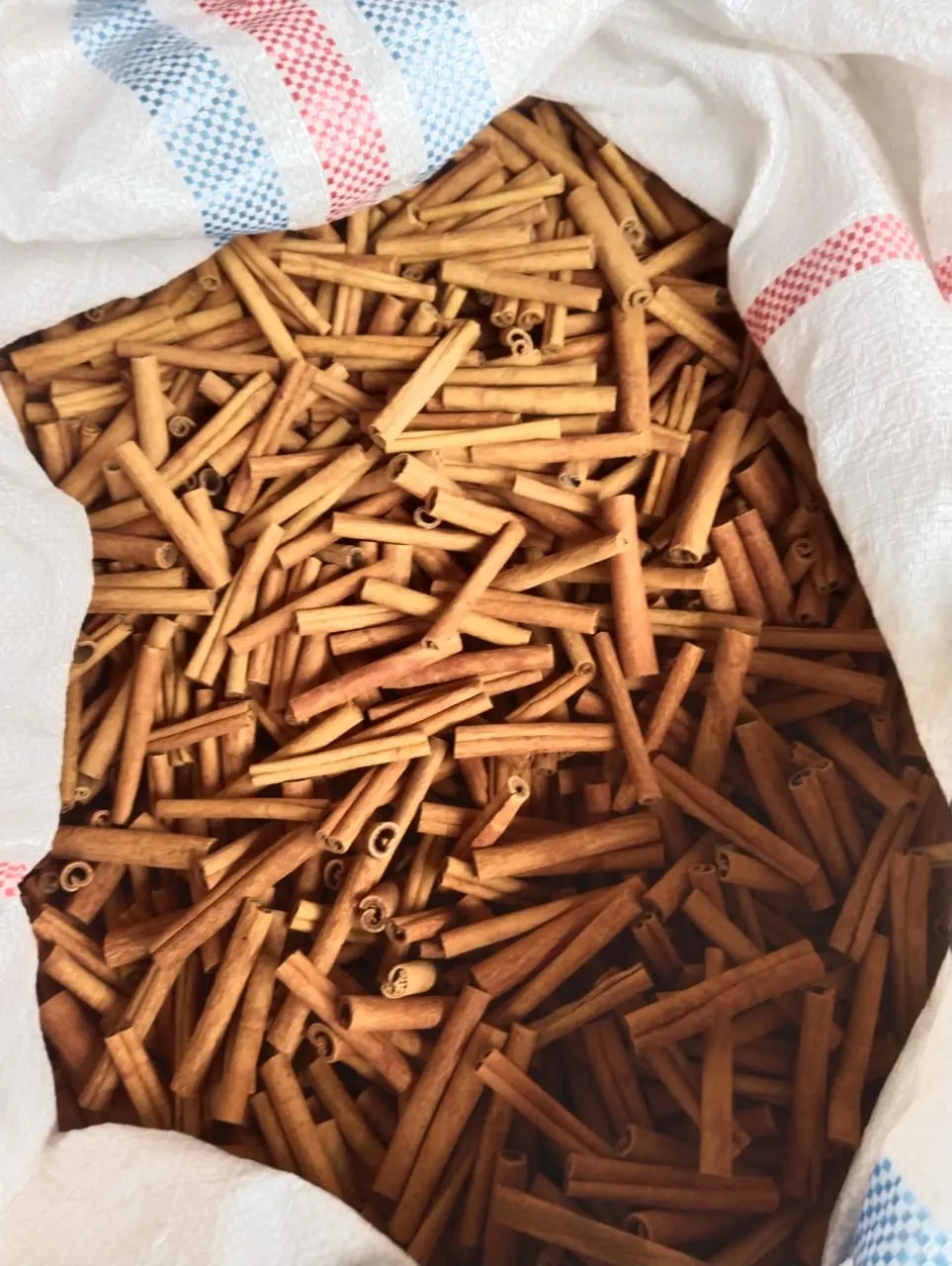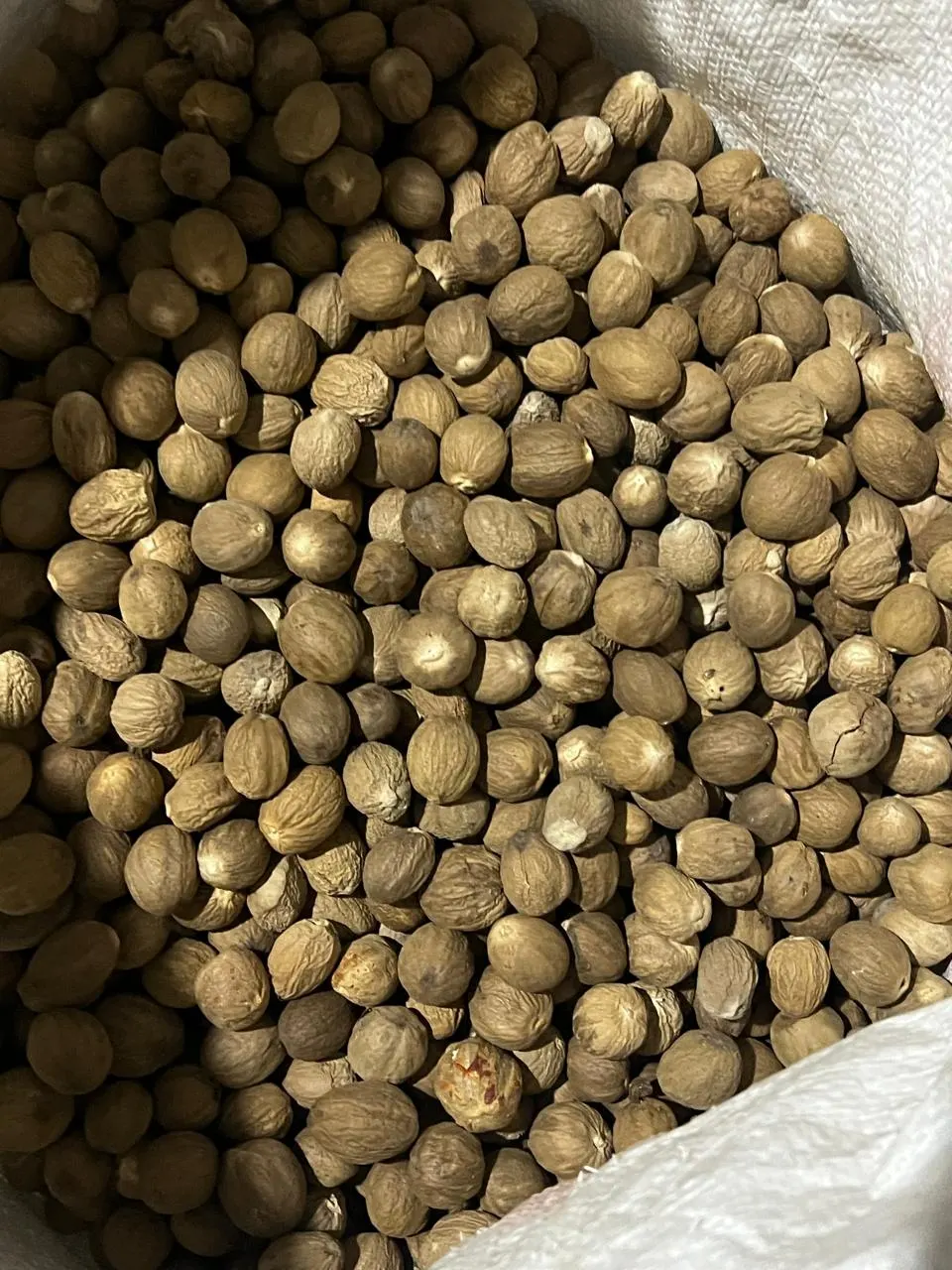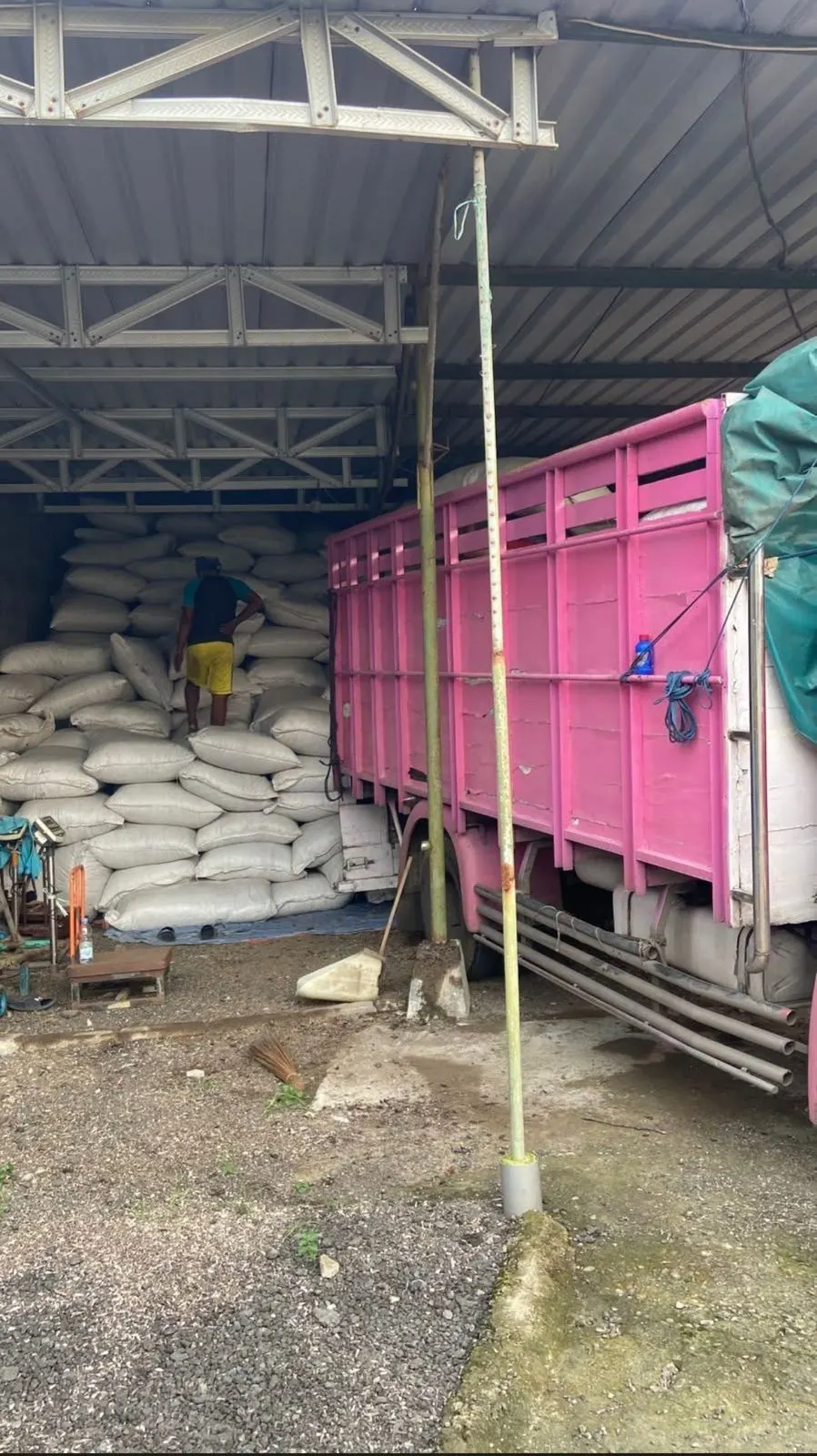
“How many tons in a 20 foot?” is one of the first questions a buyer asks, and the honest answer is: it depends on the spice. A container fills up by volume long before it reaches its weight limit for most dried spices. A 20ft box full of mace weighs far less than the same box full of nutmeg.
Below are planning figures, the method behind them, and a small calculator. Use them to compare offers and plan your first order. For a real order we confirm the figure after packing and weighing a trial bag of that exact lot.
Why spices “cube out” before they “weigh out”
A standard 20ft container can legally carry well over 20 tons. But dried spices are light for their size. Whole cloves, cardamom pods and mace are full of air. So the container is full, wall to wall and floor to ceiling, while the weight is still far under the limit. Traders call this “cubing out”.
Nutmeg is the exception. The kernels are dense, so a 40ft container of nutmeg can hit the weight limit before it is full.
The method
The estimate is simple:
tons = usable volume (m³) × bulk density of the packed spice (t/m³)
- Usable volume is less than the container’s internal volume, because bags never fill every corner. For hand-stacked bags we plan with about 26 m³ for a 20ft, 54 m³ for a 40ft and 62 m³ for a 40ft high cube.
- Bulk density depends on the spice, the grade, the moisture and the bag. Broken material packs tighter than whole. Pressed bales pack tighter than loose bags.
- Then we check the result against a practical weight limit. We use about 21 tons for a 20ft and 26 tons for a 40ft, because road weight rules on both ends of the trip often matter more than the container’s own maximum.
Planning figures by spice
These ranges come from the method above, using typical bulk densities for bagged, dried, export-grade material. Treat them as a starting point, not a promise.
| Spice (dried, in bags) | Typical bulk density | 20ft | 40ft | 40ft high cube |
|---|---|---|---|---|
| Cloves, whole | 0.28–0.35 t/m³ | 7–9 t | 15–19 t | 17–22 t |
| Nutmeg, shelled kernels | 0.50–0.60 t/m³ | 13–16 t | 26 t (weight limit) | 26 t (weight limit) |
| Mace, whole or broken | 0.20–0.28 t/m³ | 5–7 t | 11–15 t | 12–17 t |
| Cardamom, round pods | 0.22–0.30 t/m³ | 6–8 t | 12–16 t | 14–19 t |
| Cinnamon / cassia, sticks or broken | 0.30–0.40 t/m³ | 8–10 t | 16–22 t | 19–25 t |
| Ginger, dried slices | 0.25–0.35 t/m³ | 6.5–9 t | 13.5–19 t | 15.5–22 t |
| Java long pepper, dried | 0.30–0.40 t/m³ | 8–10 t | 16–22 t | 19–25 t |
Two products are different:
- Vanilla beans are sold by the kilogram, vacuum packed in cartons. Orders are usually far smaller than a container, so they go as part of a shared (LCL) shipment or by air.
- Fresh elephant ginger needs a refrigerated container and ventilated packing. How much fits depends on the packing, so we work it out per order.
Calculator
Pick a spice and a container to get a rough load. If you already know the bulk density of your grade, type it in.
What changes the real figure
- Whole or broken. Broken cinnamon, broken mace and sifted cloves settle tighter, so more fits.
- Moisture. Drier spice is lighter. That is good for quality, but it means slightly fewer tons per container.
- Bag type and size. Jute and PP bags stack differently. Smaller bags fill corners better but take more labour.
- Pallets. Palletised cargo is easier to unload but loses roughly 10–15% of the space.
- Cartons. Some buyers want cartons for selected grades. Cartons waste less space on top, but the carton itself adds weight and cost.
- Mixed containers. You can combine several spices in one container. Heavier bags (nutmeg) go at the bottom.
Before you book
- Tell us the spice, grade, packing and container size you have in mind.
- We pack and weigh a trial bag from the lot and send you the confirmed weight per bag and the number of bags per container.
- Your forwarder books the container from Surabaya (Tanjung Perak). We sell FOB Surabaya, so freight is booked on your side.
- The final weight per container appears on the packing list and the bill of lading.
If you are planning a first order and only need part of a container, say so. We can talk about a smaller trial quantity or a mixed load. For larger regular volumes, see our wholesale and bulk supply page.