Buying spices from a country you have never bought from before is a leap of faith, and we understand that. We are a young export company in Surabaya, and we know trust has to be earned, not asked for. So here is the checklist we would want if we were in your seat, including the questions you should be asking us.
Start with what FOB actually means
Almost every Indonesian spice offer you receive will say FOB, usually followed by a port name. FOB Surabaya means we are responsible for the goods until they are loaded on the ship at Tanjung Perak. Up to that point, the quality, packing, trucking to port, export clearance and loading are ours to handle and pay for.
Once the cargo is on board, it is yours. You book the ocean freight, arrange insurance and clear it at home. Many buyers prefer it this way because they keep their own forwarder and their own freight rates, and there is one clear moment when responsibility changes hands. We compare the three common terms in FOB vs CFR vs CIF.
Check that the supplier is real
This sounds obvious, but it is where most bad experiences begin. A few simple checks go a long way:
- Ask for the company’s NIB, the business identification number every registered Indonesian company has.
- Look up the address on a map. A real office or warehouse should be there.
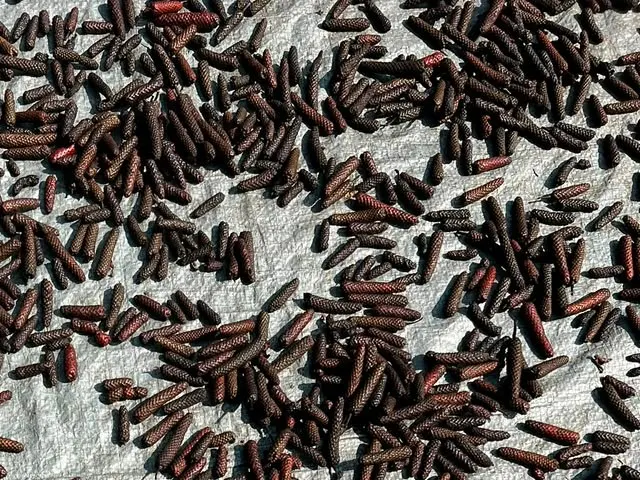
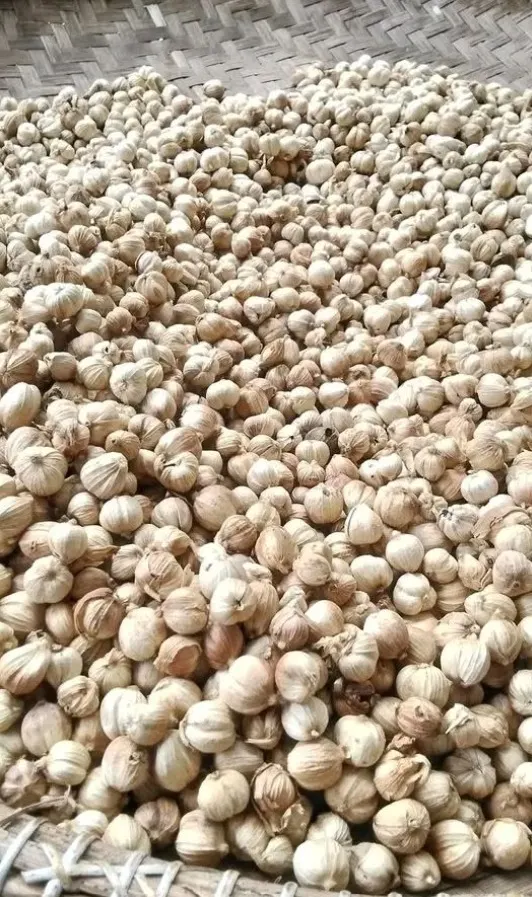
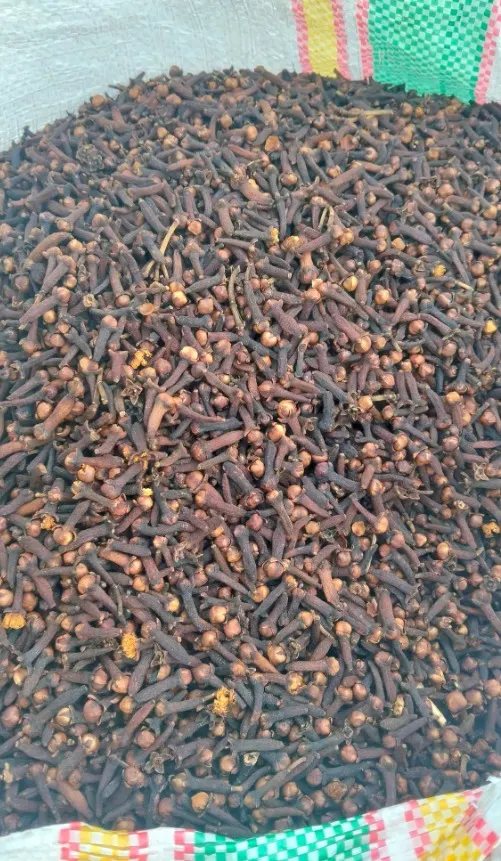
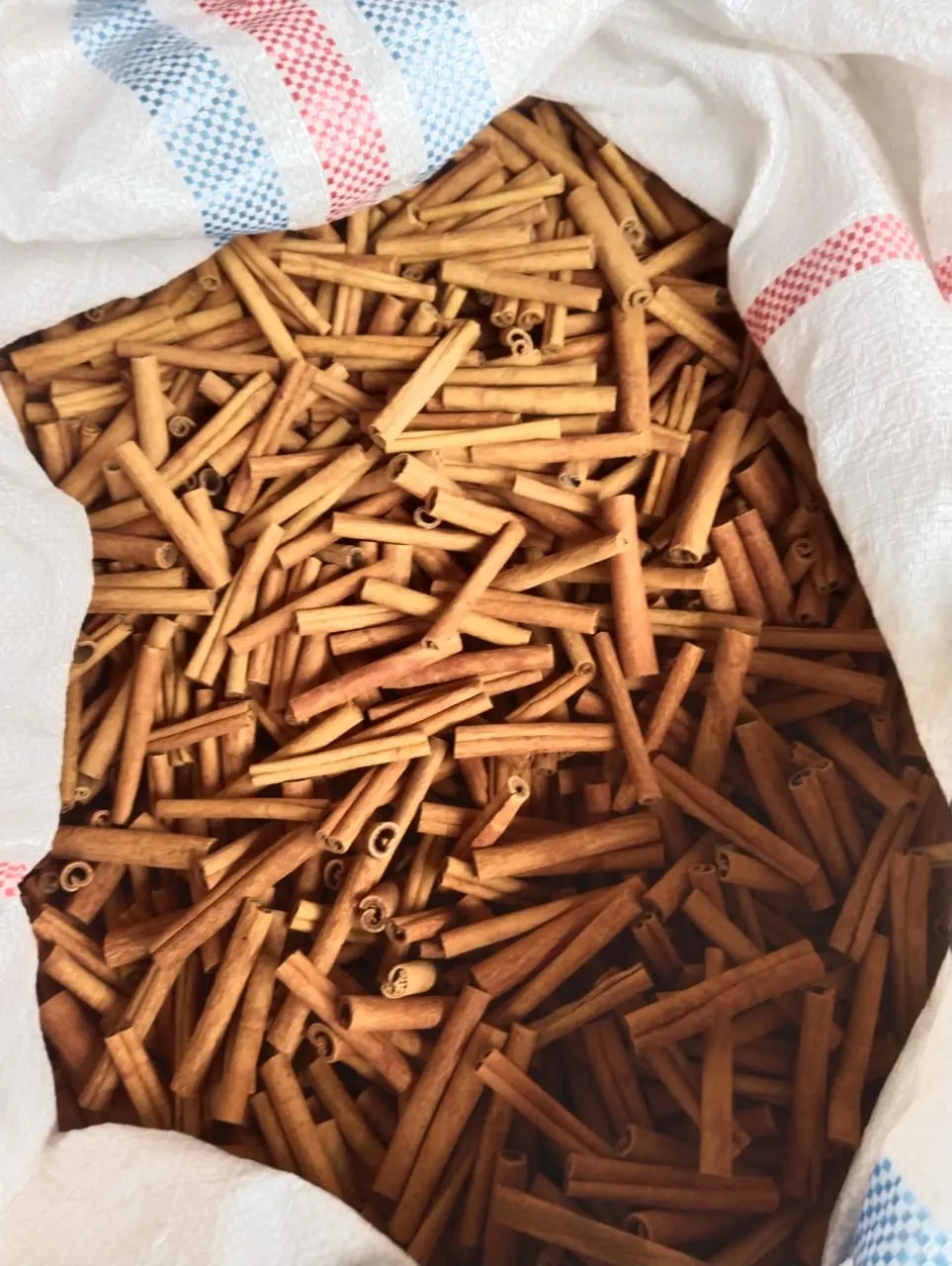
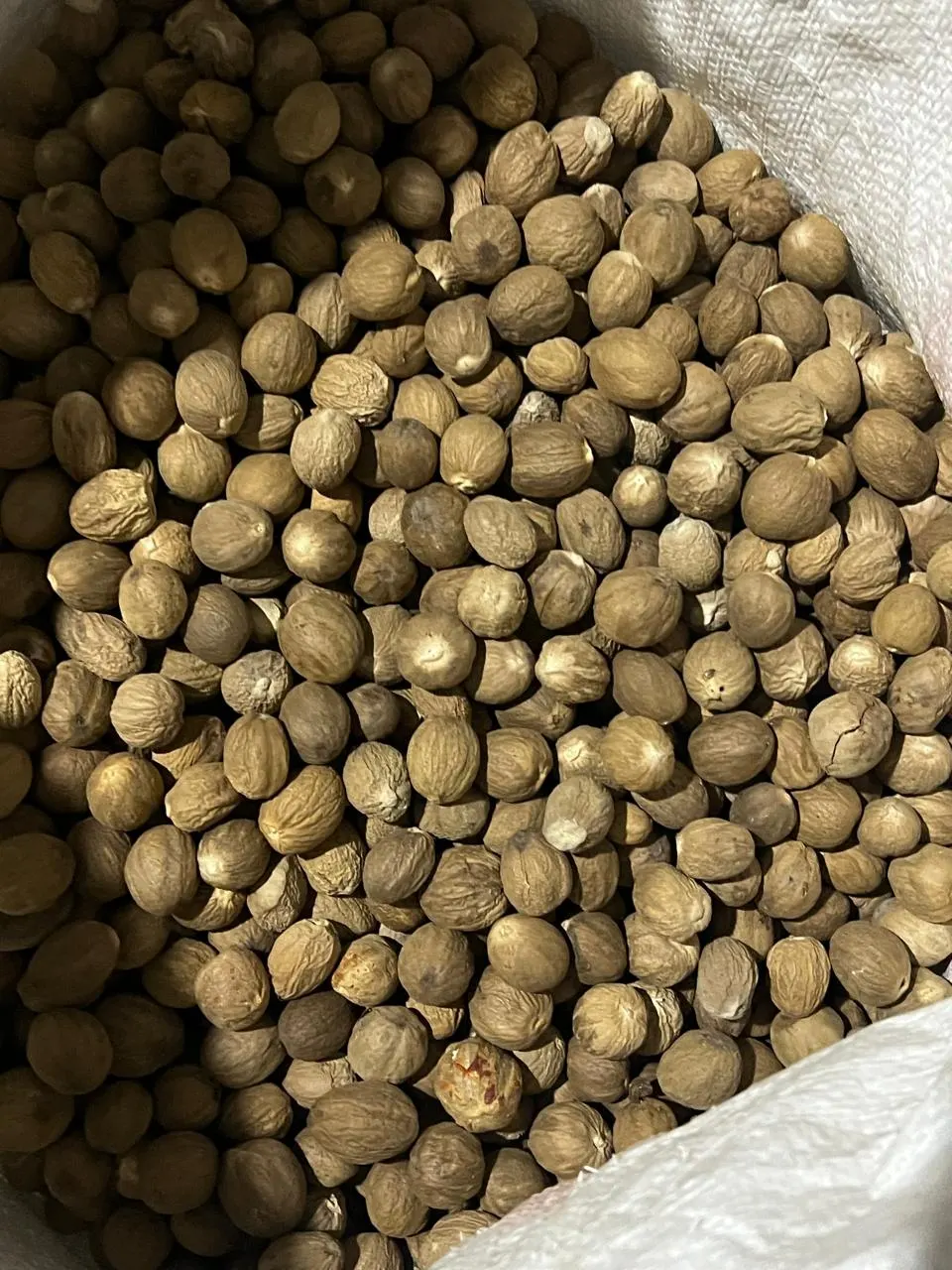
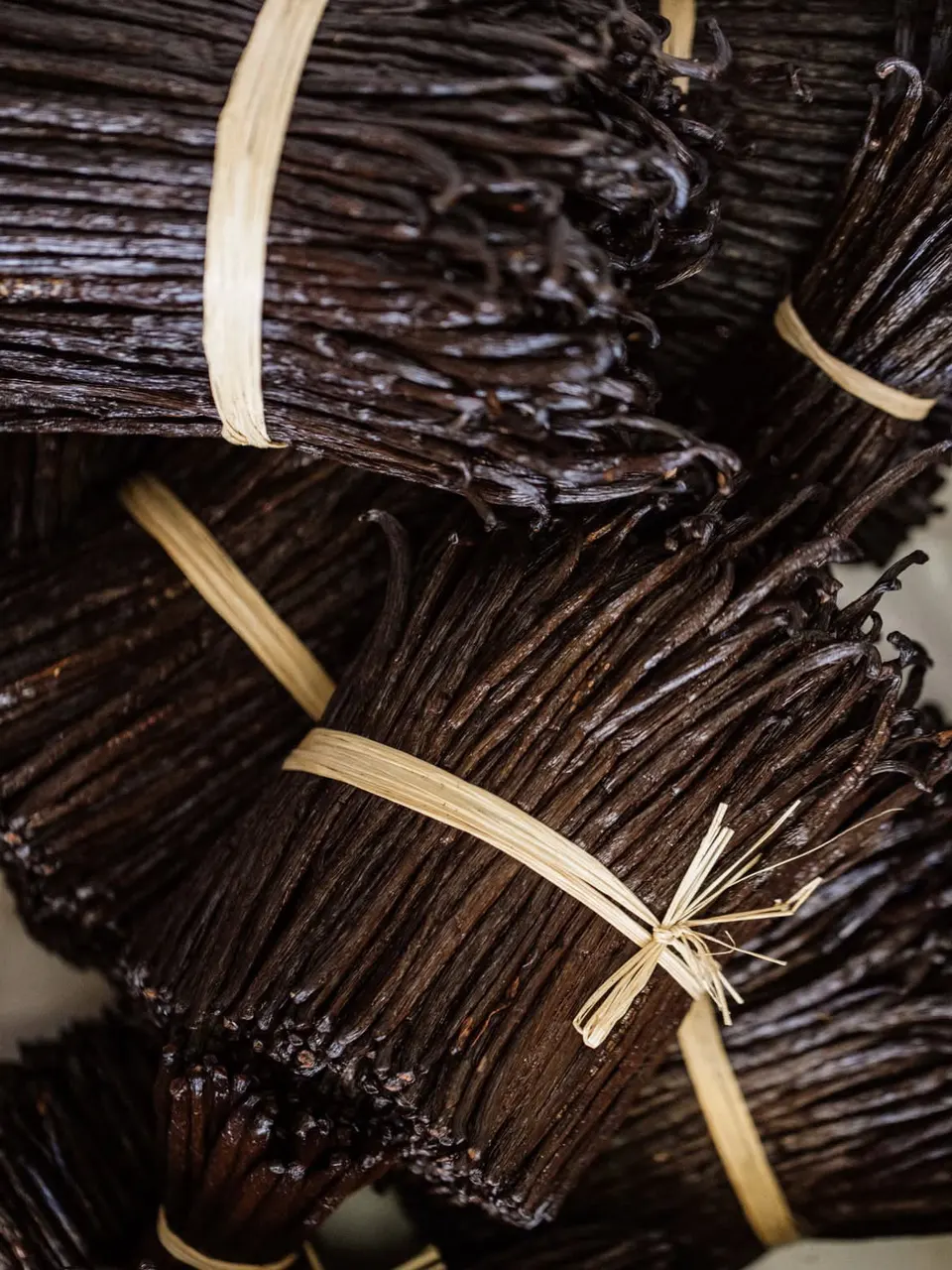
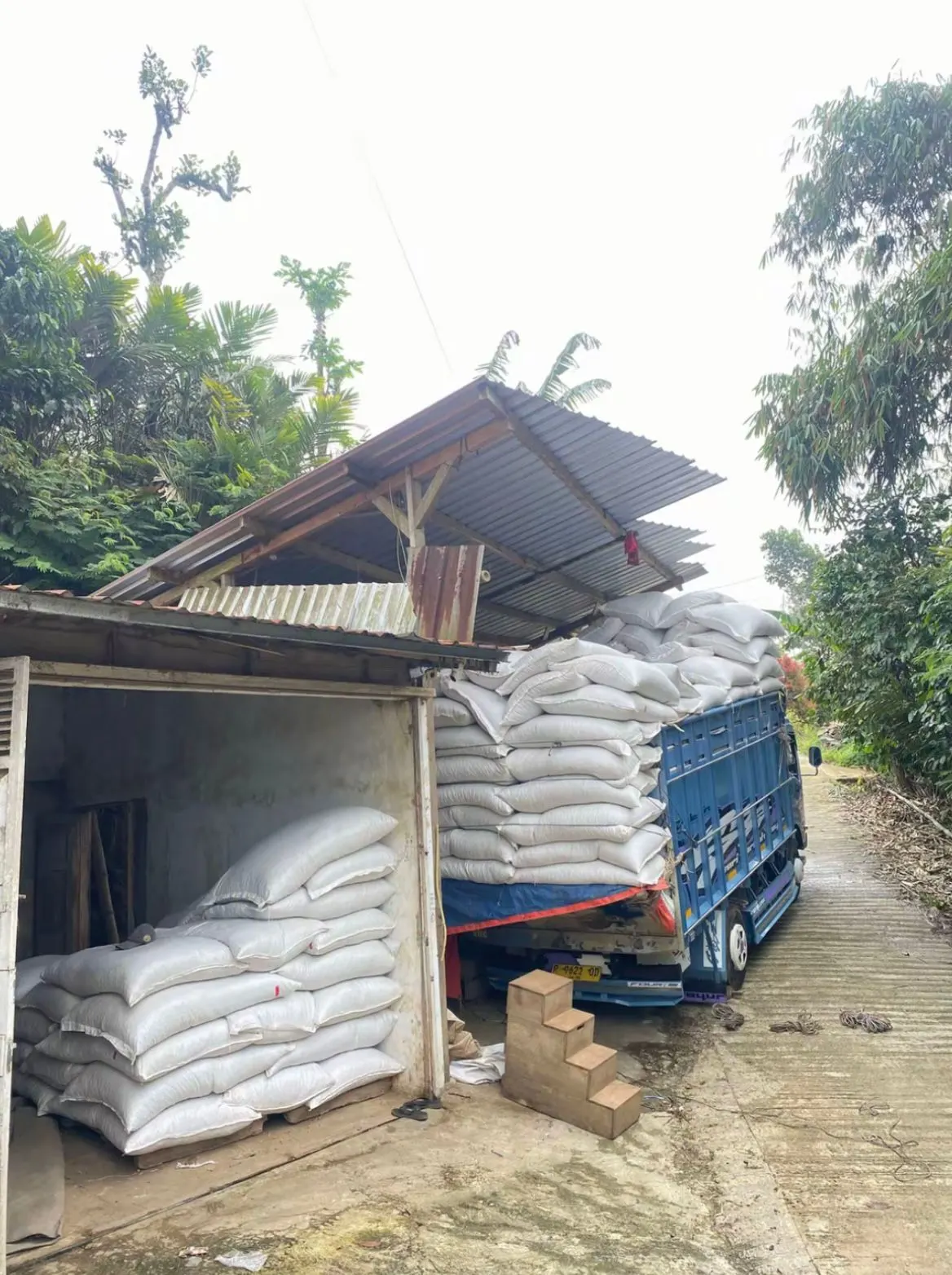
- Look closely at the photos. Stock images of perfect spice piles tell you nothing. Photos of real sacks, real drying floors and real people sorting are harder to fake.
- Notice how they answer. A supplier who says “all grades available” to every question is a warning sign. One who asks you about moisture, grade and destination is usually taking you seriously.
Put the specification in writing first
Before anyone sends a sample, agree on paper what you are buying. For most dried spices, moisture is the number that matters most, followed by foreign matter and ash. Some spices have their own key figure: oil content for cloves, piperine for long pepper, count per kilo for nutmeg. Add the form (whole, cut or ground), the packing and how the bags should be marked.
It feels slow at the beginning. It saves weeks of arguing later.
Approve a sample, and keep some of it
Ask for a sample that genuinely represents the lot you will buy, not a hand-picked showpiece. Test it yourself or send it to a local lab. Then keep part of the approved sample sealed. If there is ever a question about a shipment, that sample is the reference both sides can point to. Our guide to checking a spice sample lists what to look at, and you can request a sample from us here.
Contract and payment
Price, specification, quantity, packing, shipment date and payment terms go into a proforma invoice or a sales contract. Two payment methods are common in this trade. A bank transfer (T/T), often with a deposit before we prepare the goods and the balance against shipping documents. Or a letter of credit (L/C), which gives both sides more protection on larger orders or when you are working with someone new.
The documents that travel with each shipment
| Document | What it is for |
|---|---|
| Commercial invoice and packing list | Customs value and what is in the container |
| Bill of lading | Issued by the shipping line, it is the title to the goods |
| Phytosanitary certificate | Issued by Indonesian plant quarantine, confirming plant health |
| Fumigation certificate | Required by many countries for agricultural cargo |
| Certificate of Analysis (COA) | Lab results checked against the agreed specification |
| Certificate of origin | Proves Indonesian origin. Some versions, such as Form E for China, can lower import duty where a trade agreement applies |
Find out early what your own country asks for. Aflatoxin and pesticide limits, and whether you need an import permit, are much easier to plan for before the goods are packed than after.
HS codes worth knowing
These are the four digit headings. Your customs broker will confirm the full national code.
| Spice | HS heading |
|---|---|
| Pepper of the genus Piper, including long pepper | 0904 |
| Vanilla | 0905 |
| Cinnamon | 0906 |
| Cloves | 0907 |
| Nutmeg, mace and cardamoms | 0908 |
| Ginger | 0910 |
Shipping out of Surabaya
Tanjung Perak in Surabaya is one of Indonesia’s busiest container ports, and it sits close to the spice growing areas of East and Central Java. Your forwarder books the vessel, and we deliver the cargo cleared for export and on board.
One practical tip: light spices like cloves and cardamom often fill a container by volume before they reach its weight limit. Ask any supplier for a realistic load per 20ft or 40ft container before you calculate your landed cost, or use our container load calculator for a first estimate.
If you would like to talk through a first order, we are happy to. You can browse our products, read why we only sell FOB, or simply send us a message.